
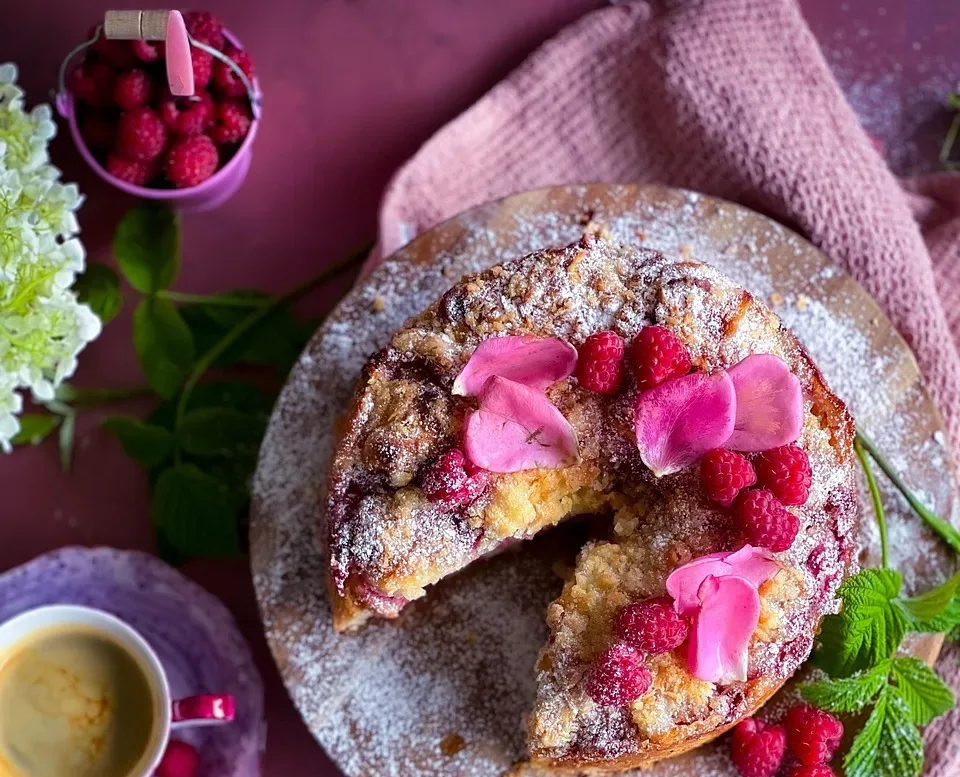
Your Guide to 10 Edible Flowers: A Blooming Culinary Delight
Edible flowers bring color, fragrance, and a quiet sense of celebration to both savory and sweet dishes. They’re one of those small, thoughtful touches that make everyday food feel intentional, whether it’s a handful of petals scattered over a salad, a blossom tucked into fresh cheese, or a simple syrup infused with garden flavor. These blooms offer more than just beauty; they carry subtle tastes, seasonal energy, and a long tradition of kitchen use that connects us back to the garden.
Growing and cooking with edible flowers invites you to slow down and notice what’s blooming right outside your door. Many are easy to grow, generous producers, and surprisingly versatile once you start using them regularly. In this guide, I’m sharing 10 edible flowers, along with how to grow them and practical ways to bring them into your kitchen, simple, approachable ideas meant for real meals, not just special occasions.

Nasturtium (Tropaeolum majus)
- Culinary Use: Peppery flavor; great in salads, pesto, pickling, or as a garnish for savory dishes. Use both flowers and leaves.
- Annual or Perennial: Annual
- Planting Season: Spring
- Germination Light Requirement: Darkness
- Growing Tips: Prefers full sun and well-drained soil. Soak seeds before planting to speed up germination.

Viola (Viola spp.)
This includes violets, pansies, and johnnie-jump-ups.
- Culinary Use: Mild, sweet flavor; perfect for decorating cakes, cookies, simple syrups, and ice cubes.
- Annual or Perennial: Annual or short-lived perennial
- Planting Season: Fall or early spring
- Germination Light Requirement: Light
- Growing Tips: Likes cool weather and partial shade. Deadhead regularly to encourage blooms.

Calendula (Calendula officinalis)
- Culinary Use: Slightly tangy; petals can be used like saffron in rice or soups.
- Annual or Perennial: Annual
- Planting Season: Spring
- Germination Light Requirement: Darkness
- Growing Tips: Thrives in full sun. Regular harvesting encourages more blooms.

Chive Blossoms (Allium schoenoprasum)
- Culinary Use: Onion-like flavor; great in compound butters, vinegars, salads, and savory dishes.
- Annual or Perennial: Perennial
- Planting Season: Spring or fall
- Germination Light Requirement: Light
- Growing Tips: Prefers full sun and moist soil. Divide clumps every few years to maintain vigor.

Borage (Borago officinalis)
- Culinary Use: Cucumber-like flavor; ideal for drinks, salads, and desserts.
- Annual or Perennial: Annual
- Planting Season: Spring
- Germination Light Requirement: Darkness
- Growing Tips: Self-seeds easily. Needs full sun and moderate watering.

Lavender (Lavandula spp.)
- Culinary Use: Floral and slightly sweet; used in baked goods, syrups, and teas.
- Annual or Perennial: Perennial
- Planting Season: Spring or fall
- Germination Light Requirement: Light
- Growing Tips: Requires well-drained soil and full sun. Prune after flowering to maintain shape.

Bee Balm (Monarda didyma)
- Culinary Use: Minty flavor; great in teas, fruit salads, and jellies.
- Annual or Perennial: Perennial
- Planting Season: Spring
- Germination Light Requirement: Light
- Growing Tips: Prefers moist soil and full sun. Attracts pollinators!

Rose (Rosa spp.)
- Culinary Use: Sweet and floral; used in syrups, jams, and desserts.
- Annual or Perennial: Perennial
- Planting Season: Spring or fall
- Germination Light Requirement: Darkness
- Growing Tips: Choose fragrant varieties. Avoid pesticide use if harvesting petals.

Dianthus (Dianthus spp.)
- Culinary Use: Clove-like flavor; ideal for decorating cakes or as a flavored sugar.
- Annual or Perennial: Annual or perennial, depending on variety
- Planting Season: Spring
- Germination Light Requirement: Light
- Growing Tips: Likes full sun and well-drained soil. Deadhead to prolong blooming.

Chamomile (Matricaria chamomilla or Chamaemelum nobile)
- Culinary Use: Apple-like flavor; used in teas, syrups, and desserts.
- Annual or Perennial: Annual (German) or perennial (Roman)
- Planting Season: Spring
- Germination Light Requirement: Light
- Growing Tips: Prefers full sun and sandy soil. Harvest flowers when fully open.
Final Tips for Growing Edible Flowers
- Avoid chemical pesticides if you plan to consume the flowers.
- Harvest in the morning when oils are most concentrated.
- Use immediately or store in the fridge wrapped in damp paper towels.
Thanks for blooming with us through this flavorful journey into the world of edible flowers! Whether you’re garnishing a salad with nasturtiums or steeping chamomile for a calming tea, these blossoms offer beauty, taste, and a touch of botanical magic. If you enjoyed this guide, be sure to sign up for our newsletter so you never miss a fresh post—more garden secrets, recipes, and herbal wisdom are always on the way.
The Seasonal Farmer, Don & Kirsten
-
Coturnix Quail: The Perfect Starter Bird for Homesteads and Small Farms
On our regenerative farm, we’ve recently added Coturnix quail to the system, and they’ve already proven to be one of the most efficient, low‑impact animals we’ve worked with. There are two simple ways to bring quail into a farm: you can start by buying fertile eggs and hatching them yourself, or you can purchase just…
-
Farmhouse | Home | Pantry Foods | Recipes
Late‑Summer Forage: Vinegars That Taste Like Home
As a farm‑to‑table chef and forager, I spend many days walking the fields and edges of the property, tasting the season as it changes. Making flavored vinegars is one of my favorite ways to bottle those late‑summer and fall flavors; a small jar of vinegar becomes a concentrated memory of sun, soil, and time. I…
-
Beekeeping | Farmhouse | Home | Home & Garden | Pantry Foods | Recipes
From Bloom to Bite: Why Bees Matter
Raw, Local, Unfiltered, Honey


I am so excited to grow and use these flowers in my dishes this summer. Thank you for sharing.
Aria