What Is Regenerative Farming?
A Simple Guide to Growing with Nature
When most people think of farming, they picture endless rows of crops and tractors moving across the fields. But regenerative farming is something deeper; it’s about working with nature, not against it.
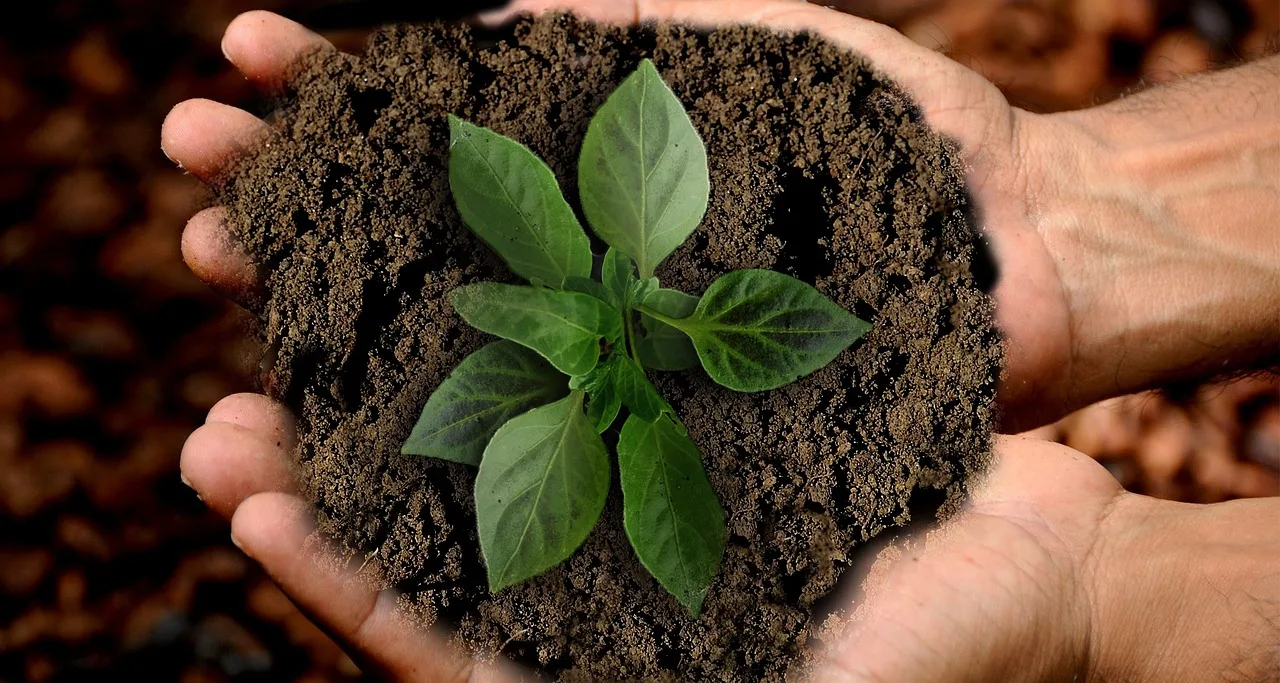
At its core, regenerative farming means building healthy soil, growing diverse crops, and using practices that restore the land instead of depleting it. It’s farming that gives back: healing ecosystems, storing carbon, and producing real, nutrient-rich food.
Rather than simply taking from the soil, regenerative farmers focus on creating a cycle of renewal, one that restores health to the earth, strengthens plants, and ultimately nourishes us.

The Core Principles
- Soil First: Healthy soil is alive. By adding compost, cover crops, and organic matter, we feed the billions of microbes that make nutrients available to plants.
- Diversity Matters: Just like in nature, a mix of crops, trees, and animals creates balance and resilience.
- Minimal Disturbance: Tilling less keeps soil structure intact and prevents erosion.
- Living Roots Year-Round: Cover crops and perennials keep the soil covered and thriving, even in the off-season.
- Integration of Animals: Managed grazing cycles return fertility to the land and mimic natural ecosystems.
Why It Matters
Regenerative farming isn’t just about growing food; it’s about healing the soil. It helps:
- Pull carbon from the atmosphere back into the soil
- Improve water retention and reduce flooding
- Increase biodiversity on farms
- Produce nutrient-dense food that supports human health

A Different Way of Farming
At its heart, regenerative farming is about relationships, between farmer and soil, plant and pollinator, human and earth. It’s not a quick fix, but a long-term commitment to leaving the land better than we found it.
When you choose food grown regeneratively, you’re not just eating, you’re participating in a movement to restore balance to our planet.

We’ve begun our regenerative farming journey by focusing on practices that restore balance to the land and invite life back into the soil. Composting is at the heart of our system, enriched with rabbit and chicken waste, while our hens help close the loop by turning farm scraps into fertility. We plant vegetables alongside flowers, leaving natural blooms for pollinators, and raise bees to ensure the fields stay alive with their hum. To nurture the unseen world beneath our feet, we encourage microbes and earthworms to thrive, mulch around plants to protect the soil, and cover our walkways with wood chips and white clover. Instead of relying on chemicals, we welcome beneficial insects, and we’ve planted milkweed to give monarch butterflies a haven. Each of these steps is small on its own, but together they form a living system, one that feeds us while healing the land.
We’d love for you to be part of this journey with us. Subscribe and follow along as we share the rhythms of seasonal farming life, planting, harvesting, composting, and caring for the land in every season. By joining us, you won’t just see how food is grown, you’ll witness how regenerative practices bring soil, pollinators, and people back into harmony with nature. Don’t miss the stories, the lessons, and the small victories that make this way of farming so meaningful.
The Seasonal Farmer, Don & Kirsten
-
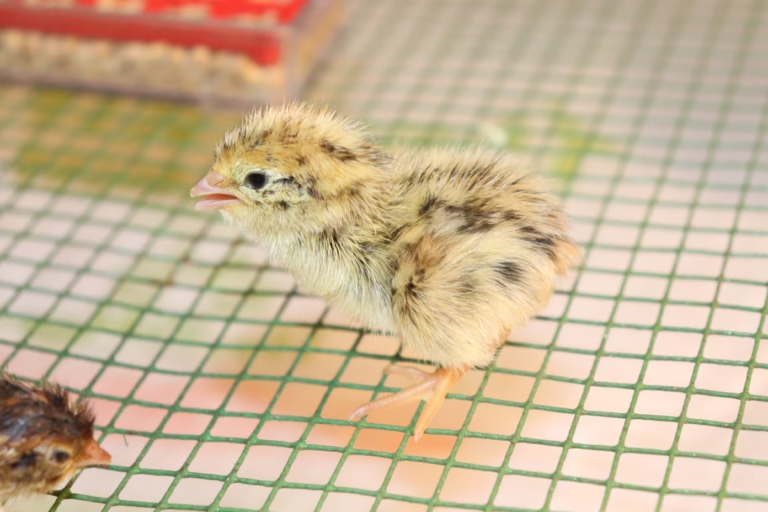
Coturnix Quail: The Perfect Starter Bird for Homesteads and Small Farms
On our regenerative farm, we’ve recently added Coturnix quail to the system, and they’ve already proven to be one of the most efficient, low‑impact animals we’ve worked with. There are two simple ways to bring quail into a farm: you can start by buying fertile eggs and hatching them yourself, or you can purchase just…
-
Farmhouse | Home | Pantry Foods | Recipes
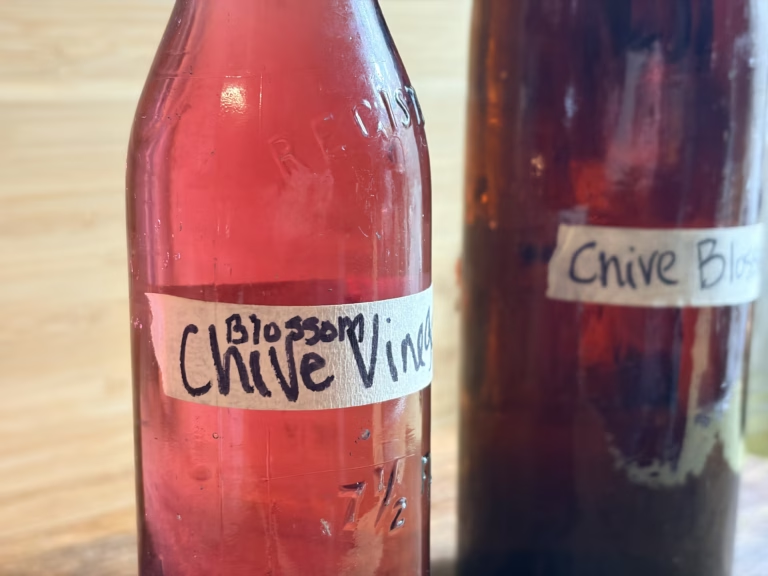
Late‑Summer Forage: Vinegars That Taste Like Home
As a farm‑to‑table chef and forager, I spend many days walking the fields and edges of the property, tasting the season as it changes. Making flavored vinegars is one of my favorite ways to bottle those late‑summer and fall flavors; a small jar of vinegar becomes a concentrated memory of sun, soil, and time. I…
-
Beekeeping | Farmhouse | Home | Home & Garden | Pantry Foods | Recipes
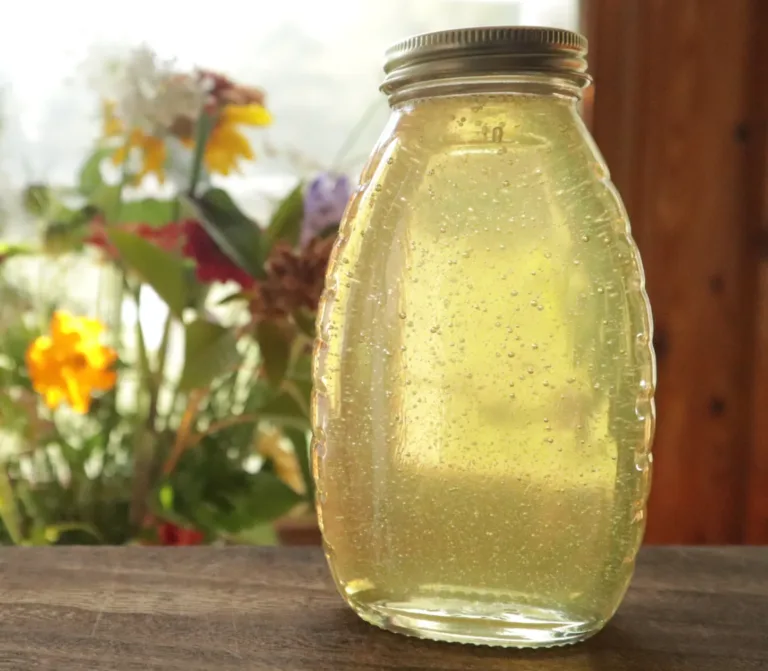
From Bloom to Bite: Why Bees Matter
Raw, Local, Unfiltered, Honey