What is Yule
Yule is one of the oldest winter festivals in the world, rooted in ancient Norse and Germanic traditions, celebrating the rebirth of the sun at the Winter Solstice and the turning of the year.
Origins and Meaning
Yule, also called Yuletide or Jól in Old Norse, was historically observed by Germanic and Norse peoples as a midwinter festival. It centered around the Winter Solstice (around December 21), the longest night of the year, when the sun appears to “stand still” before beginning its slow return. For ancient communities who lived by the cycles of the land, this was a sacred turning point: the promise that light and warmth would return, crops would grow again, and life would continue.
The word Yule itself comes from Old English geol and Old Norse jól, both referring to this midwinter celebration. Later, as Christianity spread through Europe, many Yule customs were woven into Christmas traditions, but Yule remains distinct in Pagan and earth-based practices today.
Traditions and Symbols
Yule was a time of feasting, storytelling, and ritual, often lasting 12 days (the “12 Days of Yule”). Each day carried its own meaning, from honoring ancestors to setting intentions for the new year.
Some of the most enduring Yule traditions include:
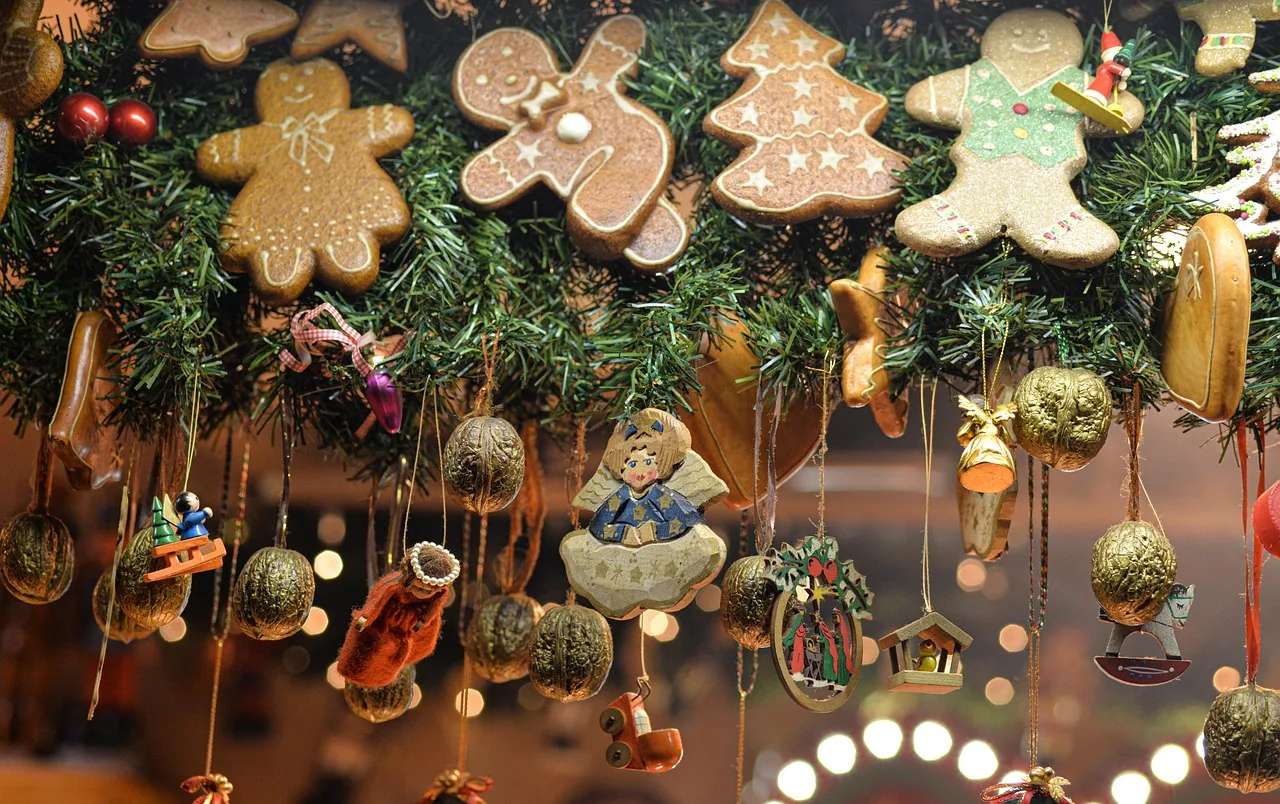
- The Yule Log: Originally, an entire tree trunk was slowly fed into the hearth over the 12 days. Its ashes were kept for protection and fertility in the coming year. Today, this survives as the Yule log cake or symbolic candles.
- Evergreens: Holly, ivy, mistletoe, and fir trees were brought indoors as symbols of eternal life and resilience through the dark season.
- The Wild Hunt: A mythic procession of spirits led by Odin, said to ride across the winter skies during Yule nights.
- Feasting and Wassailing: Communities gathered for hearty meals, drinking, and singing to honor the gods, ancestors, and the returning sun.
- Gift-Giving: Offerings were exchanged as blessings of abundance and goodwill.
Spiritual Significance
At its heart, Yule is about death and rebirth, darkness and light, endings and beginnings. It honors the cycles of nature: the longest night gives way to the returning sun, just as personal reflection and release make space for renewal. Many modern practitioners see Yule as a spiritual “New Year,” a time to:
- Release what no longer serves (symbolically burned or composted).
- Honor ancestors and the wisdom of the past.
- Set intentions for the year ahead.
- Celebrate the balance of dark and light within ourselves.
Yule Today
Modern Pagan and earth-based communities celebrate Yule as one of the eight Sabbats on the Wheel of the Year. It is often marked with candlelight rituals, seasonal foods, journaling, and acts of generosity. Even outside of Pagan practice, many familiar Christmas customs, decorated trees, wreaths, carols, and festive feasts, trace their roots back to Yule.
Many people are choosing to celebrate Yule over Christmas because Yule feels more connected to nature, ancestral traditions, and the cycles of the earth, while Christmas is often seen as more commercialized and tied to a single religious narrative.
A Return to Ancient Roots
Yule is one of the oldest winter festivals, celebrated by Norse and Germanic peoples long before Christianity. It honors the Winter Solstice, the longest night of the year, and the rebirth of the sun. For many modern people, especially those drawn to Pagan, or earth-based practices, Yule offers a way to reconnect with ancestral traditions and the natural rhythms of light and dark.
Why People Are Choosing Yule
- Connection to Nature
- Yule celebrates the turning of the seasons, the cycles of the sun, and the balance of light and dark. Many feel this is more spiritually grounding than the consumer-driven aspects of Christmas.
- Ancestral and Cultural Heritage
- People exploring Norse, Celtic, or Germanic roots often find meaning in reviving Yule traditions like the Yule log, evergreen decorations, and honoring ancestors.
- Inclusivity and Spiritual Freedom
- Yule is not tied to one religion. It’s celebrated by Pagans, Wiccans, Druids, and even secular nature-lovers. This makes it appealing to those who want a seasonal celebration without Christian doctrine.
- Rejection of Commercialization
- Many feel Christmas has become overly focused on consumerism. Yule, by contrast, emphasizes ritual, reflection, and community rather than shopping and gifts.
- Deeper Symbolism
- Yule rituals focus on rebirth, renewal, and intention-setting for the year ahead. Lighting candles, burning a Yule log, or honoring the Wild Hunt are symbolic acts that feel spiritually rich.
Shared Traditions
Interestingly, many Christmas customs actually come from Yule:
- Evergreen trees and wreaths (symbols of eternal life)
- Gift-giving (offerings of goodwill and abundance)
- Feasting and carols (community celebration)
- The Yule log (later adapted into the Christmas log cake)
So, when people choose Yule, they’re often reclaiming the original roots of traditions that Christmas later absorbed.
People are turning to Yule because it offers a slower, more intentional, and earth-centered way to celebrate the winter season. It’s about honoring the cycles of nature, connecting with ancestors, and finding meaning in the return of the light, rather than focusing on consumerism or a single religious story.
Yule is a festival of hope, resilience, and renewal. It reminds us that even in the darkest night, the light will return, and that by honoring the cycles of nature, we find steadiness and meaning in our own lives.
Watch Kirsten’s Video on Making a Yule Wreath
Thank you for taking the time to learn about Yule and its beautiful traditions. If you’d like to dive deeper, be sure to watch Kirsten’s video on crafting a Yule wreath. It’s a wonderful way to bring the season’s spirit into your home. We’d love for you to join our community and explore Kirsten’s teaching platform, Skool, where you’ll find in-depth guidance on Yule celebrations, complete with day-to-day activities, menus, and grocery lists to make your holiday magical. May this Yule season fill your heart with joy and light as we embrace the return of the sun.
Blessed Yule! Don & Kirsten
Check out Kirsten’s Classroom on Skool: CLICK HERE
Here is a wonderful Winter Blessings Yule Tea RECIPE.
-
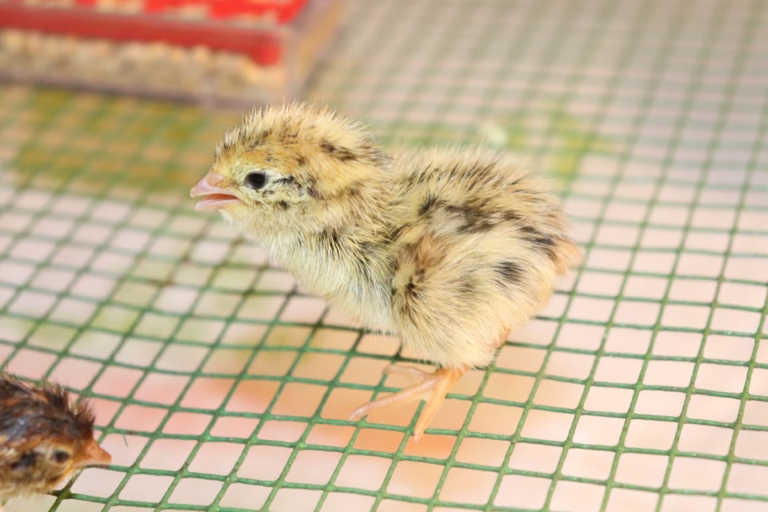
Coturnix Quail: The Perfect Starter Bird for Homesteads and Small Farms
On our regenerative farm, we’ve recently added Coturnix quail to the system, and they’ve already proven to be one of the most efficient, low‑impact animals we’ve worked with. There are two simple ways to bring quail into a farm: you can start by buying fertile eggs and hatching them yourself, or you can purchase just…
-
Farmhouse | Home | Pantry Foods | Recipes
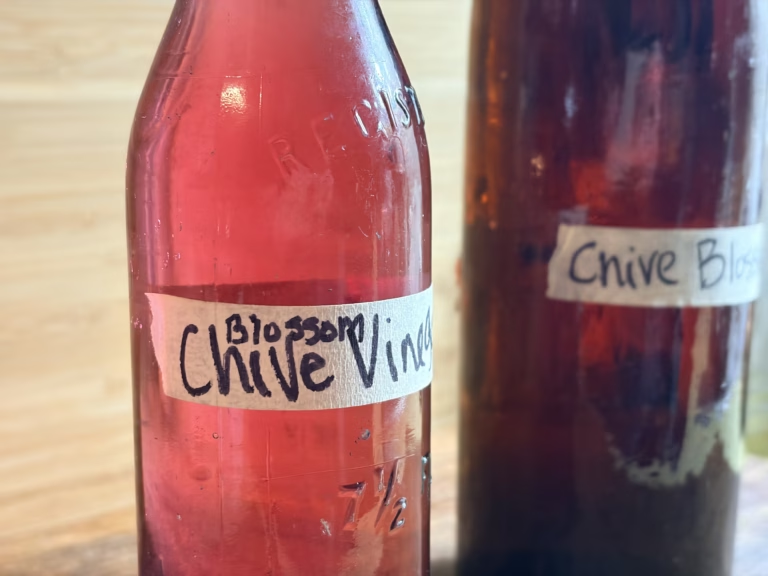
Late‑Summer Forage: Vinegars That Taste Like Home
As a farm‑to‑table chef and forager, I spend many days walking the fields and edges of the property, tasting the season as it changes. Making flavored vinegars is one of my favorite ways to bottle those late‑summer and fall flavors; a small jar of vinegar becomes a concentrated memory of sun, soil, and time. I…
-
Beekeeping | Farmhouse | Home | Home & Garden | Pantry Foods | Recipes
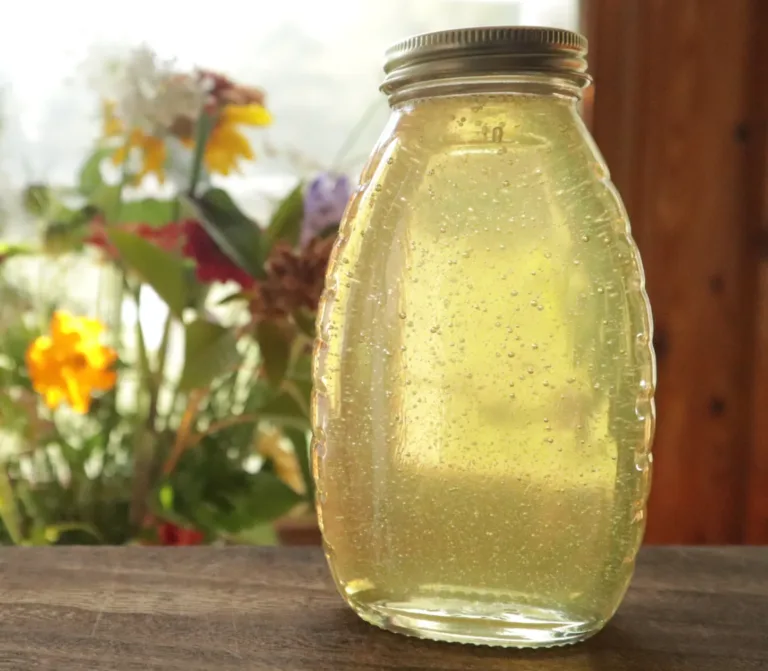
From Bloom to Bite: Why Bees Matter
Raw, Local, Unfiltered, Honey