Raising Pigs the Way Nature Intended
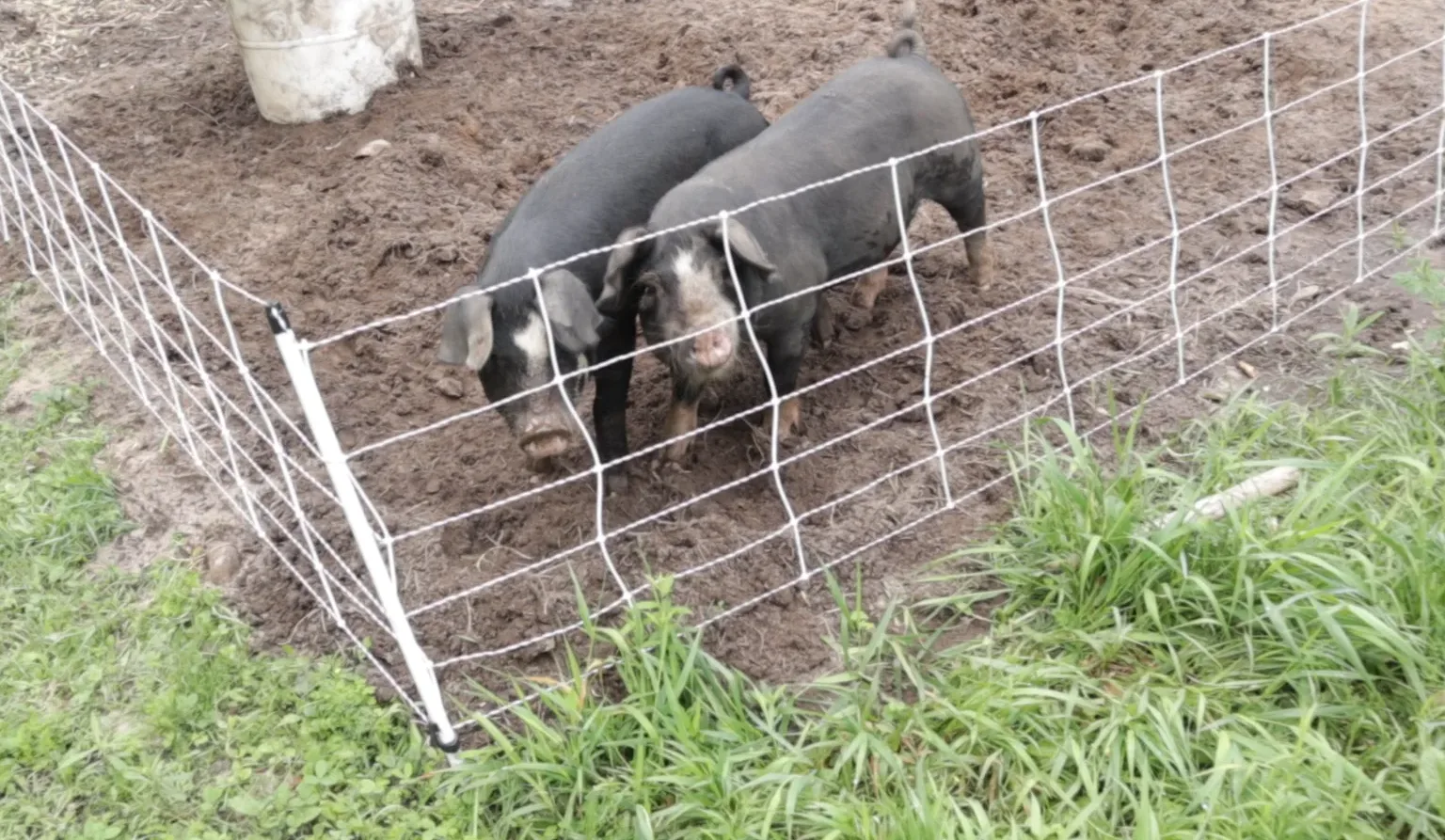
On our farm, pigs aren’t just livestock; they’re partners in the cycle of life. We raise them soy-free, non-GMO, and pasture-raised, feeding them organic vegetables and farm scraps that keep them healthy and thriving. But more than what they eat, it’s how they live that matters most.
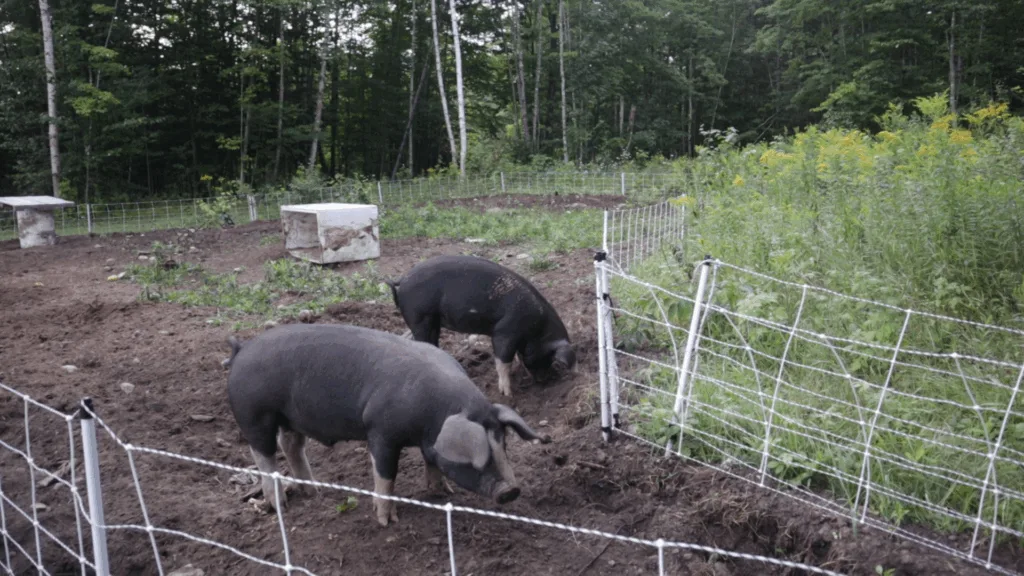
We follow the philosophy Joel Salatin calls “the pigginess of the pig.” That means letting pigs be pigs, rooting, digging, wallowing, and expressing their instincts. Instead of confining them, we steward their growth while keeping them safe and happy. In return, they give back to the land: their rooting aerates the soil, their manure fertilizes it, and their presence brings vitality to the farm ecosystem.
This is the heart of regenerative farming; every creature has a role to play. Our pigs help build healthier soil, which grows stronger plants, which in turn nourish us. It’s a cycle of giving back, not just taking.
Of course, raising animals for food comes with responsibility. We believe in giving our pigs a good life, full of fresh air, sunshine, and freedom to be themselves. And when the time comes, they have just one bad day. It’s never easy, but it’s honest. By taking responsibility for our own food, we honor the animals and the land that sustain us.
Why It Matters
Raising pigs this way isn’t the fastest or the cheapest method, but it’s the most meaningful. When pigs live according to their nature, the benefits ripple outward:
- Healthier animals: No stress, no confinement, just natural growth.
- Healthier land: Their digging and manure enrich the soil, creating fertility for future crops.
- Healthier food: Meat that is nutrient-dense, flavorful, and raised without shortcuts.
This is farming that respects the animal, the land, and the eater. It’s a full-circle approach that connects us back to the source of our food.
A Shared Journey
When you choose pork raised this way, you’re not just buying meat, you’re joining a story. A story of animals raised with dignity, of soil restored, and of farmers taking responsibility for the food they put on the table. It’s a reminder that good farming is about more than production; it’s about stewardship, respect, and gratitude.
Our pigs teach us every day that farming isn’t about control, it’s about partnership. And in that partnership, everyone thrives: the land, the animals, and the people who gather around the table.
I’ve never been one to just buy meat at the store without wondering how the animal was treated. Too many kids today don’t even know what a pig looks like, let alone that pork comes from one. That disconnect is why raising children to understand food responsibility matters so much. When they see that stewarding livestock with care is a way of life, maybe more of them will be inspired to farm, to heal the soil, and to carry regenerative practices forward—one new farmer at a time, one step at a time.
Someone asked me today if I actually like raising pigs. I know what they meant: that pigs can be smelly, stubborn, and even dangerous if not cared for properly. But my answer was simple: yes, I do like raising pigs. They provide me with food I can’t find in any store, clean and nourishing meat that’s soy-free, non-GMO, and raised with respect. We raise them in a way that allows them to be truly piggy, rooting, roaming, and living freely, while knowing they’ve been cared for every step of the way. And now, we’re offering a half-pig for sale to others who also want soy-free, non-GMO, pasture-raised, ethically raised pork that comes with a story of stewardship and care.
If anyone is interested in purchasing pork by the half, we are offering it at $4.00 per pound, based on hanging weight. Our butcher date is set for October 22nd, 2025, and with only two sides available, this is a truly limited opportunity. CLICK HERE TO CONTACT ME Be sure to subscribe so you don’t miss this or any of our future farm updates. We’d love to share the journey with you.
The Seasonal Farmers, Don & Kirsten
-
Farmhouse | Home | Pantry Foods | Recipes
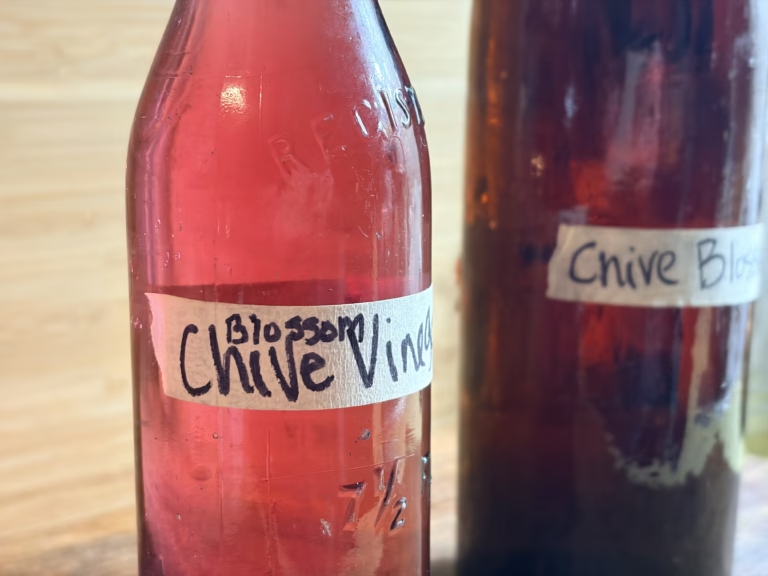
Late‑Summer Forage: Vinegars That Taste Like Home
As a farm‑to‑table chef and forager, I spend my days walking the fields and edges of the property, tasting the season as it changes. Making flavored vinegars is one of my favorite ways to bottle those late‑summer and fall flavors; a small jar of vinegar becomes a concentrated memory of sun, soil, and time. I…
-
Beekeeping | Farmhouse | Home | Home & Garden | Pantry Foods | Recipes
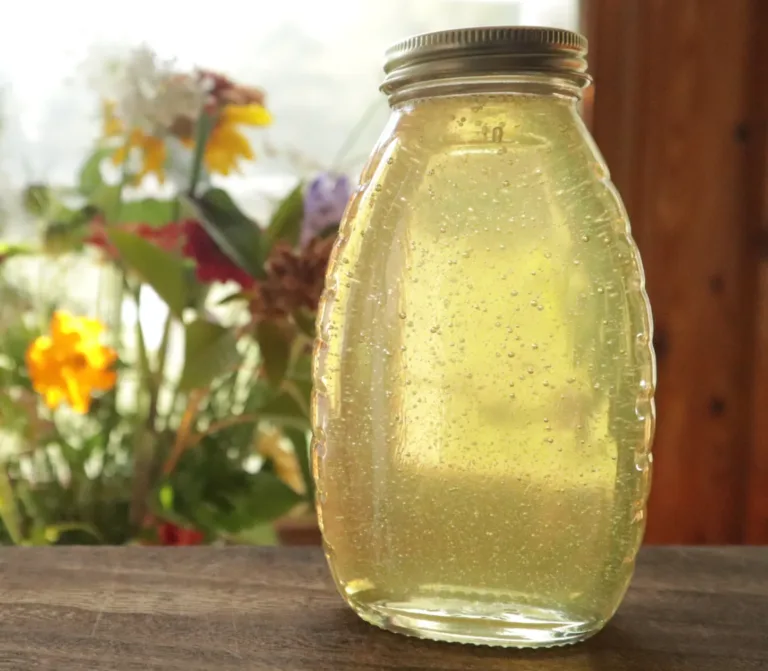
From Bloom to Bite: Why Bees Matter
Raw, Local, Unfiltered, Honey
-
Farmhouse | Field | Home | Home & Garden | Pantry Foods | Recipes
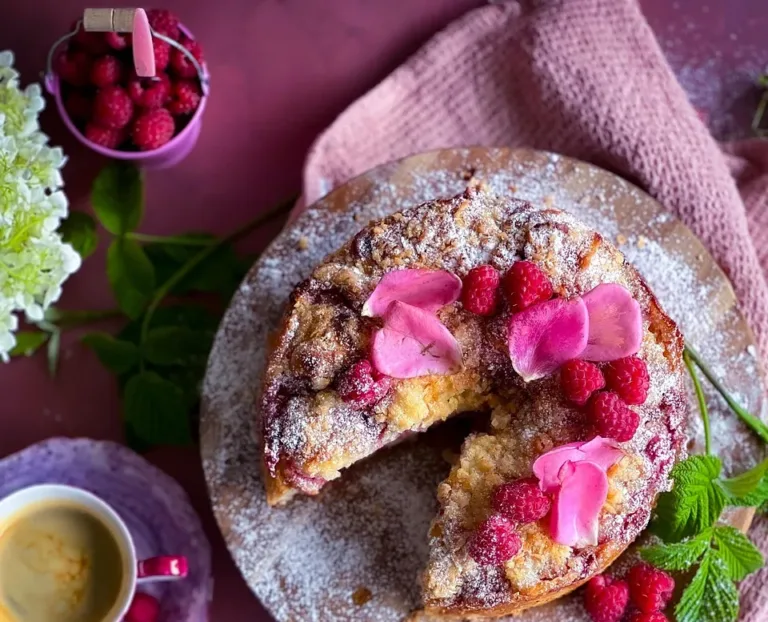
Your Guide to 10 Edible Flowers: A Blooming Culinary Delight
Edible flowers bring color, fragrance, and a quiet sense of celebration to both savory and sweet dishes. They’re one of those small, thoughtful touches that make everyday food feel intentional, whether it’s a handful of petals scattered over a salad, a blossom tucked into fresh cheese, or a simple syrup infused with garden flavor. These…