
Unraveling Fast Fashion: A Seasonal Reflection on What We Wear
Every season, we clear out garden beds, scrub the shelves, and make space for fresh beginnings, yet there’s a quiet, growing mess piling up in landfills and closets around the world. The fashion industry, once shaped by craftsmanship and longevity, now churns out garments faster than we can wear them, let alone mend or reuse them. Behind the appealing price tags and glossy trends lies a staggering truth: millions of tons of clothing are being discarded each year, creating a tidal wave of waste with deep environmental and social consequences. It’s time we take a closer look at what we wear, why we wear it, and how we can return to something more rooted, responsible, and enduring.

Fast Fashion
Fast fashion thrives on speed and disposability. It’s a system built to churn out trend-driven clothes at a breakneck pace, produced quickly, sold cheaply, and often worn only a handful of times before being tossed. This model encourages constant consumption and treats garments as fleeting, seasonal whims rather than meaningful, long-lasting pieces. To keep up, brands cut corners: using low-quality synthetic fibers, underpaying garment workers, and overproducing at levels that far exceed actual demand. What once was a thoughtful, slow process of making and mending has been replaced by a global cycle of overproduction and waste. And in chasing the next new thing, we’ve lost sight of the old wisdom: that clothes can carry stories, serve us longer, and be part of a more respectful relationship with the planet.
Repercussions are Deep and Lasting
The repercussions of fast fashion ripple through ecosystems, communities, and even our closets.
Environmentally, the pressure to produce cheap clothing quickly means an enormous demand on water, land, and fossil fuels. For instance, a single cotton t-shirt can require over 2,500 liters of water to produce, and most fabrics are dyed using chemicals that often end up in waterways, especially in countries with lax environmental regulations. Then there’s the synthetic side: polyester, the dominant fabric in fast fashion, is made from petroleum and sheds microplastics with every wash, polluting oceans and harming wildlife.
Socially, there’s the hidden cost paid by garment workers, primarily women, in countries like Bangladesh, Vietnam, and Ethiopia. These workers often face unsafe conditions, unlivable wages, and little to no labor protections, all so consumers elsewhere can buy $5 shirts that are “on trend” for a season.
Even on a personal level, we pay a price. The cycle of constant buying and purging fosters detachment from the things we own. We stop seeing clothes as companions in our daily lives and more as disposable distractions, contributing to clutter, stress, and an ongoing sense of dissatisfaction.

Disposable Distractions
The Scale of the Problem
Globally, we discard a staggering 92 million tons of clothing each year. That’s the equivalent of a garbage truck full of textiles dumped every second. In the U.S. alone, over 11 million tons of textiles end up in landfills annually, and the average American throws away about 81.5 pounds of clothing per year.
Why So Much Waste?
The rise of fast fashion is a major culprit. With trends shifting weekly and garments made cheaply to encourage constant consumption, we now buy 60% more clothing than we did 15 years ago, but wear each item half as often. Most of these garments are made from synthetic fibers like polyester, which are essentially plastic and can take hundreds of years to decompose.
The Deep Environmental Toll
When textiles break down in landfills, they release methane, a potent greenhouse gas. The dyes and chemicals used in production can also leach into soil and groundwater, polluting ecosystems. And because nearly 60% of clothing is made from plastic-based fibers, every wash releases microplastics into our waterways, contributing to ocean pollution and harming marine life.
Fast fashion isn’t just filling our landfills; it’s also flooding our world with forever chemicals. Known scientifically as PFAS (per- and polyfluoroalkyl substances), these synthetic compounds are used to make fabrics water, stain, and wrinkle-resistant. You’ll find them in outerwear, athletic wear, and surprisingly, even everyday basics. They’re designed to last forever, and that’s exactly the problem. Fast fashion is a significant contributor to the forever chemicals problem. PFAS don’t break down in nature or our bodies. Instead, they accumulate over time, contaminating soil, water, and even our bloodstreams. Exposure has been linked to serious health concerns, including hormone disruption, immune system suppression, and increased risk of certain cancers.
Fast fashion’s rapid production cycles and reliance on synthetic, chemically treated fabrics mean these substances are used widely, and often without transparency. Worse still, these chemicals can leach out of clothing during wear or washing, releasing microplastics and toxins into waterways and ecosystems.
The Global Impact
Only 1% of discarded clothing is recycled into new garments. Much of what’s donated ends up being shipped overseas, where it can overwhelm local economies and infrastructure. In places like Ghana, mountains of low-quality secondhand clothing clog landfills, waterways, and even streets, creating both environmental and public health crises.
Living Intentionally
What Can We Do?
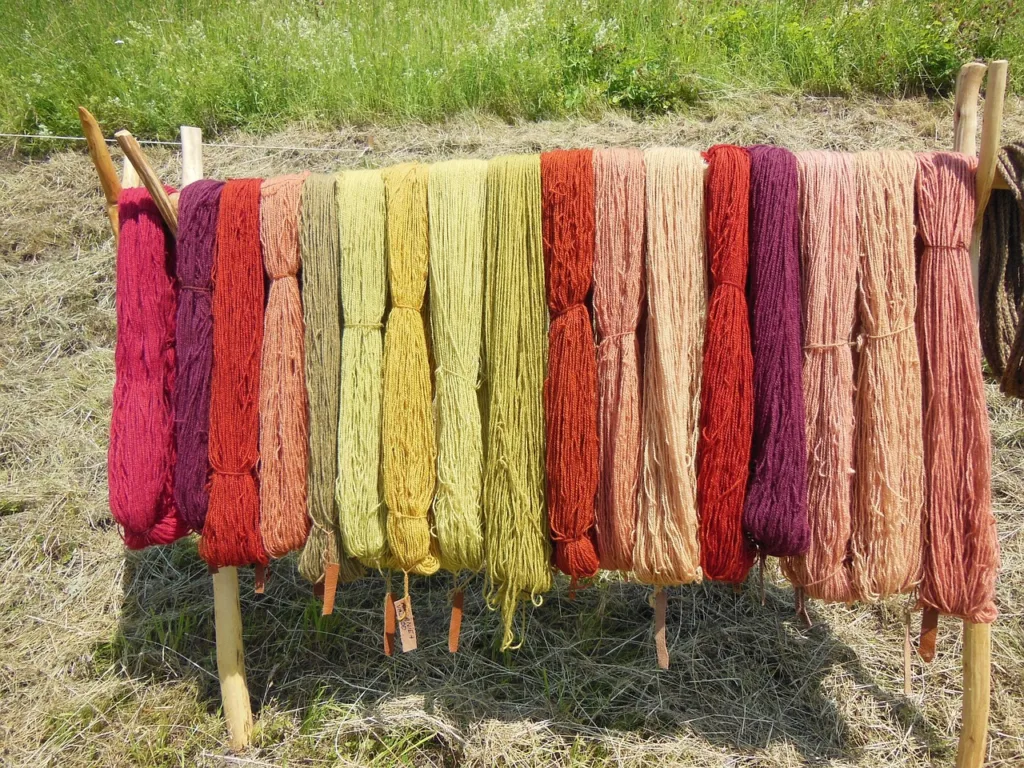
So, what can we do? Tackling clothing waste doesn’t require perfection; it begins with intention. Choosing quality over quantity, mending rather than discarding, supporting local artisans, and embracing natural fibers are all small, powerful steps that ripple outward. It’s in the repair of a favorite worn shirt, the purchase of a handcrafted piece made with care, or the decision to skip a trendy impulse buy. And here at Fox Paw Farm, it’s also in the everyday choices, like crafting lasting, natural products and sharing knowledge that empowers others to live more gently. These choices are part of a growing movement to reclaim the wisdom of a slower, more thoughtful approach to daily life in a world that desperately needs it.
This is where everyday choices take on real power. Buying secondhand, from resale shops, garage sales, or even swapping with neighbors, disrupts the fast fashion cycle by reducing demand for constant new production. It keeps garments in circulation longer, diverts clothing from landfills, and sends a message to the industry that we value longevity over trends. Even better, it reconnects us with our communities: a neighbor’s closet becomes a mini boutique, and that garage sale find carries a story.
In choosing to reuse rather than consume, we begin to rewrite the narrative, from one of waste to one of stewardship. It’s not just about reducing your footprint, it’s about walking a different path altogether.
Take the First Step Toward Change. Combating fast fashion doesn’t require grand gestures—it starts with small, intentional choices that add up over time. One of the most impactful? Choosing secondhand. Whether it’s browsing your local resale shop, popping by a neighbor’s garage sale, or hosting a clothing swap with friends, these actions help keep garments in use longer and out of landfills. Even better, they lessen the demand for cheap, fast production and support a more circular, community-based economy.
Steps in Reducing PFAS
What Can We Do?
- Choose untreated, natural fibers like cotton, linen, and wool whenever possible, especially when buying new.
- Wash synthetics less often and use a microfiber-catching laundry bag to reduce pollution.
- Ask questions about what’s in your clothes. Transparency matters, and the more we ask, the more brands must answer.
- Air dry your clothes instead of using heat, which can cause chemical finishes to release into the air or your skin.
- Support makers who prioritize clean, sustainable materials, and encourage your community to do the same.
Reframing the way we see clothing, from disposable to durable, from trendy to timeless, reclaims our role as stewards rather than consumers. And every thrifted shirt or lovingly mended pair of jeans is a quiet protest against the culture of throwaway fashion.
Reclaim Your Power of Control
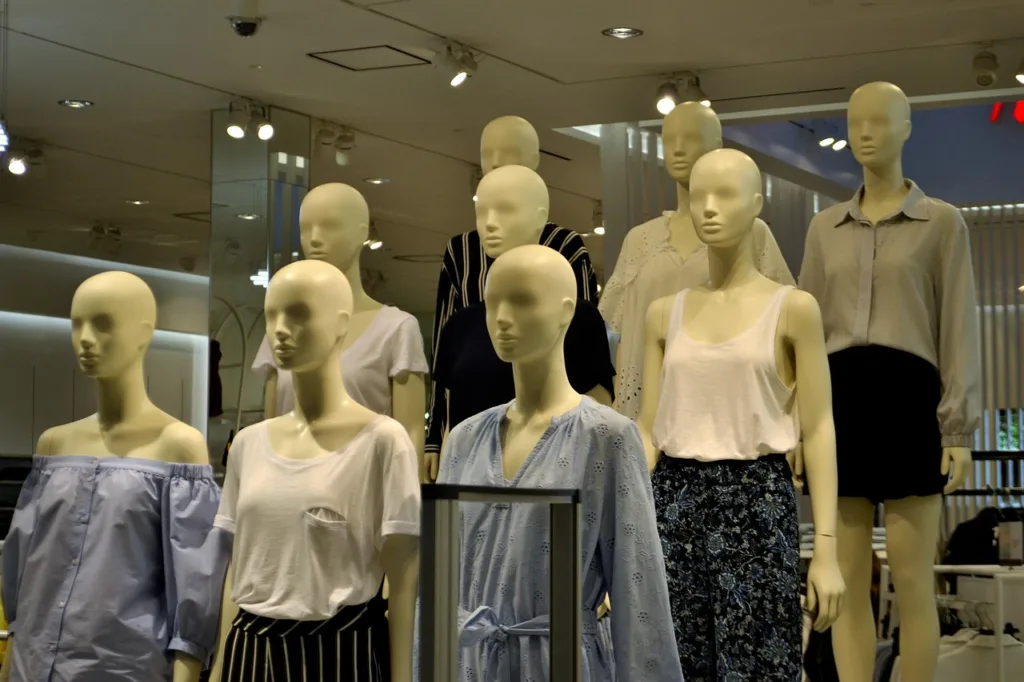
We can’t discuss clothing choices without acknowledging the subtle pressure many people feel to wear what’s popular, recognizable, or “on-brand.” From an early age, we’re taught, often subtly, that certain labels signal status, success, or belonging. This psychological weight fuels fast fashion’s engine, urging us to chase validation through logos rather than comfort, quality, or values. But when we pause to ask why we seek these brands, we create space to reclaim our power as wearers, not walking billboards.
It’s time we reclaim the beauty of hand-me-downs, not as something second-rate, but as a gesture of care, connection, and sustainability. A well-loved sweater passed from a cherished friend carries warmth far beyond its fibers, woven with memories and affection. For a new mother, receiving gently used baby clothes from someone who’s weathered the sleepless nights and tender milestones is more than practical; it’s a quiet form of mentorship and solidarity. These exchanges remind us that clothing can be a story, a comfort, and a bridge between generations. Let’s bring hand-me-downs back into our lives with pride, gratitude, and the understanding that shared things often hold the deepest value.
Natural Fibers
Choosing clothing made from natural fiber fabrics, like cotton, linen, wool, hemp, or silk, offers powerful benefits for both personal health and the planet. These fibers are breathable, hypoallergenic, and often free from harsh chemical treatments, making them gentler on sensitive skin and safer for everyday wear. From a sustainability standpoint, natural fibers are renewable, biodegradable, and typically produced with a lower environmental footprint than synthetic alternatives, which rely on fossil fuels and shed microplastics. By opting for natural textiles, you’re not only reducing exposure to toxins but also supporting a fashion ecosystem that values longevity, soil health, and ethical production
Choosing clothes for their story, substance, or secondhand charm breaks that cycle and reminds us that worth isn’t stitched into a tag, it’s something we wear from the inside out.
If you’ve made it to the end, thank you; your presence here speaks volumes. Your willingness to slow down, reflect, and consider new ways of walking through the world makes you part of a much-needed shift. We deeply appreciate your spirit of intentional stewardship and your care for this shared earth. If this post sparked something in you, we’d love to hear it. Leave a comment below and share your thoughts, practices, or creative ideas for breaking the cycle of disposable culture. Let’s keep this conversation and movement growing together.
The Seasonal Farmer – Don & Kirsten
- Late‑Summer Forage: Vinegars That Taste Like Home
- From Bloom to Bite: Why Bees Matter
- Your Guide to 10 Edible Flowers: A Blooming Culinary Delight
- Why Small, Cold‑Climate Farms Are Turning to Sheep
- Why I Choose Organic Non‑GMO for Our Neighborhood Table
-
Raising Pigs the Way Nature Intended
On our farm, pigs aren’t just livestock; they’re partners in the cycle of life. We raise them soy-free, non-GMO, and pasture-raised, feeding them organic vegetables and farm scraps that keep them healthy and thriving. But more than what they eat, it’s how they live that matters most. We follow the philosophy Joel Salatin calls “the…
-
Farmhouse | Home | Pantry Foods | Recipes
Golden Goodness: How to Make Ghee and Preserve It for the Long Haul
There’s something sacred about transforming simple butter into ghee. It’s not just a culinary technique; it’s a ritual of purification, a return to ancient wisdom, and a gift to your body. Ghee has been cherished for centuries in Ayurvedic medicine, Indian cooking, and now modern wellness circles. And the best part? You can make it…
-
Morning Tonic for the Farmer: A Ritual of Resilience
Each morning, before the boots hit the ground and the bees stir in their hives, I prepare a quiet offering for the farmer, a warm drink that nourishes from the inside out. It’s simple, intentional, and deeply rooted in the rhythms of the land. This tonic isn’t just a health habit, it’s a ritual of…