
Sustainable Smiles: How Birch Chew Sticks Clean Naturally
Natural Tooth Care
Long before modern toothbrushes and minty toothpaste, people in many cultures turned to the humble birch stick for a clean, healthy smile. This simple, time‑honored habit wasn’t just about practicality — it carried the wisdom of generations and a deep connection to the natural world. Done correctly, chewing birch twigs can freshen breath, clean teeth, and support oral health in a way that feels grounding and refreshingly simple. In this guide, you’ll discover the history, the how‑to, and the benefits, so you can decide if this old‑world skill deserves a place in your own routine — or becomes the next tradition you share with your family and community.

Historical & Cultural Background
- Indigenous North America: Many Native American groups used twigs from birch (Betula species) and willow as natural toothbrushes.
- Global parallels: Similar practices exist worldwide — for example, the miswak from the Salvadora persica tree in the Middle East, neem sticks in India, and various aromatic woods in Africa.
- Birch was valued not only for its availability but also for its mild, slightly sweet flavor and low tendency to splinter compared to some other woods.
How It Works
- Select a safe branch — typically from yellow birch (Betula alleghaniensis) or paper birch (Betula papyrifera), avoiding treated or contaminated wood.
- Prepare the stick — cut a piece about 6–8 inches long and roughly pencil-thick.
- Fray one end — chew or gently pound the tip until the fibers separate into a brush-like texture.
- Brush motion — use the softened fibers to scrub teeth and gums in small circles, much like a toothbrush.
- Refresh the tip — trim off the worn fibers every day or two and repeat the fraying process.
Benefits
- Mechanical cleaning: The fibrous tip removes plaque and food particles much like a toothbrush.
- Gum stimulation: Gentle chewing massages the gums, which can improve circulation.
- Breath freshening: Birch contains mild aromatic compounds that can leave the mouth feeling fresher.
- Portable & biodegradable: No plastic waste, easy to carry, and compostable after use.
- Cultural connection: Offers a tangible link to traditional, low-tech self-care methods.

When you chew birch twigs, you’re getting a mix of natural compounds that can support oral hygiene in a few different ways — mostly through mechanical cleaning, but also via mild antimicrobial and anti‑inflammatory chemistry.
Key Bioactive Compounds in Birch Relevant to Dental Health
| Compound / Group | Where Found | Potential Oral Benefit |
| Methyl salicylate | Especially in bark/tar | Mild antiseptic, anti‑inflammatory; contributes to wintergreen‑like flavor that can freshen breath |
| Salicylates | Bark | Anti‑inflammatory properties; may soothe irritated gums |
| Tannins | Bark (~3%) | Astringent — can tighten gum tissue and reduce bacterial growth |
| Flavonoids (quercetin, kaempferol, myricetin, hyperoside) | Leaves & bark | Antioxidant and antimicrobial activity; may help inhibit plaque‑forming bacteria |
| Saponins | Leaves & bark | Mild cleansing and antimicrobial effects; help loosen debris |
| Betulin & betulinic acid | Outer bark (up to ~15%) | Anti‑inflammatory, antimicrobial; contributes to the bark’s protective qualities |
| Essential oils (including creosol, guaiacol) | Bark | Antiseptic and aromatic; can help reduce oral bacteria and improve breath |
How They Work Together
- Mechanical + chemical synergy: The fibrous tip of a chewed twig scrubs plaque, while tannins, flavonoids, and salicylates create a less hospitable environment for bacteria.
- Gum health: Astringent tannins and anti‑inflammatory salicylates can help reduce swelling and bleeding.
- Breath freshness: Methyl salicylate and essential oils leave a clean, slightly minty aftertaste.

Birch trees are one of the classic natural sources of xylitol (often pronounced “zy‑li‑tol”).
What Xylitol Is
- Type: A naturally occurring sugar alcohol (polyol)
- Taste: Sweet like sugar, but with ~40% fewer calories
- Occurrence: Found in small amounts in many fruits, vegetables, and hardwood trees — birch being one of the richest traditional sources
Birch as a Source
- Where it’s found in the tree: Primarily in the hemicellulose fraction of the wood, in the form of xylan (a complex carbohydrate).
- How it’s obtained commercially:
- Birch wood is chipped and processed to extract xylose (a simple sugar).
- The xylose is hydrogenated to produce xylitol crystals.
- This is why you’ll often see “birch xylitol” on natural sweetener labels — it’s a marketing shorthand for xylitol derived from birch wood rather than from corn cobs.
Dental Connection
- Xylitol is well‑studied for reducing cavity‑causing bacteria (Streptococcus mutans) in the mouth.
- It doesn’t ferment into acids the way regular sugar does, so it helps maintain a neutral oral pH.
- That’s why it’s common in sugar‑free gum, mints, and some toothpastes.
- Safe for humans in moderate amounts, but highly toxic to dogs — even small doses can cause dangerous drops in blood sugar.
- Naturally occurring xylitol in a fresh birch twig is in very small amounts — chewing the stick mainly cleans teeth mechanically, with only a trace chemical contribution from xylitol and other compounds.
Xylitol’s dental benefits are one of the reasons it’s become such a staple in natural oral care products, and they go well beyond “it’s better than sugar.”
How Xylitol Supports Oral Health
| Benefit | How It Works | Why It Matters |
| Reduces cavity-causing bacteria | Streptococcus mutans — the main culprit in tooth decay — can’t metabolize xylitol for energy. When they try, their growth and acid production drop sharply. | Less acid means less enamel erosion and fewer cavities. |
| Prevents plaque adhesion | Xylitol disrupts the sticky matrix bacteria use to cling to teeth. | Plaque is easier to remove with brushing and flossing. |
| Neutralizes mouth pH | Stimulates saliva flow, which buffers acids and restores a neutral environment. | Acidic conditions are what allow cavities to form; neutral pH protects enamel. |
| Supports remineralization | Saliva enriched by xylitol use carries calcium and phosphate back into enamel. | Helps repair early-stage decay before it becomes a cavity. |
| Long-lasting effect | Regular use (6–10 g/day for adults, split into 3–5 doses) has been shown to keep benefits for years after stopping. | Builds a lasting shift in the mouth’s bacterial balance. |
Safety Notes
- Safe for humans in moderate amounts, but extremely toxic to dogs — even tiny amounts can be dangerous.
Additional Tips & Context
1. Stick Selection Matters
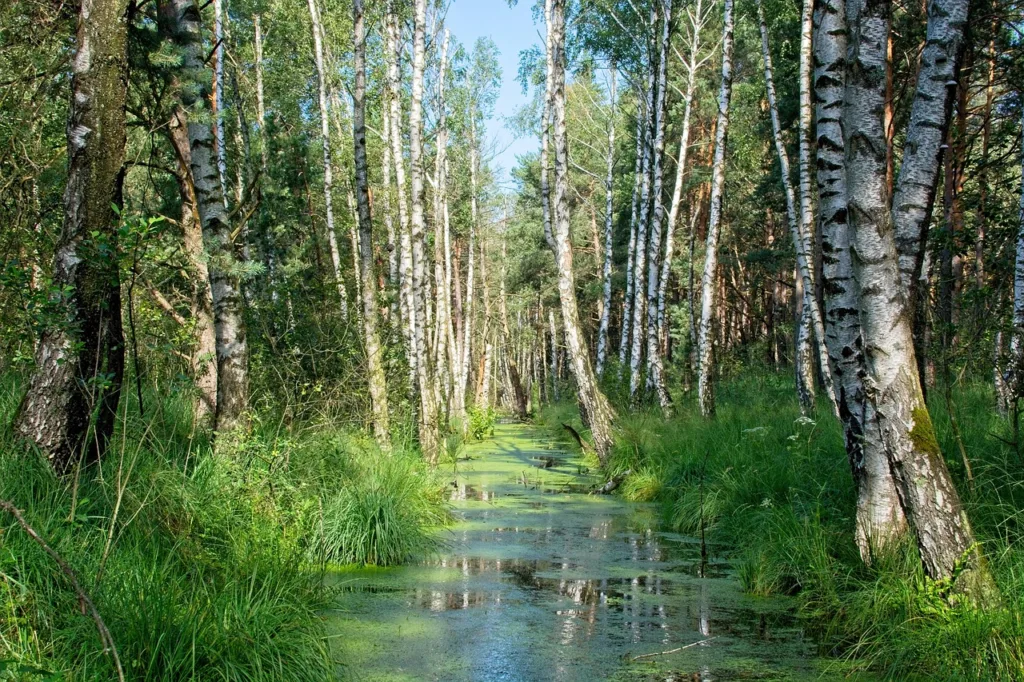
- Choose twigs from healthy, chemical‑free trees — no pesticide drift, roadside dust, or fungal growth.
- Fresh green twigs fray more easily; older, very dry ones may be brittle and splinter.
2. Timing & Ritual
- In many traditions, chew sticks were cut fresh daily or every few days, often in the morning when plant sap was most active.
- If you want to blend practical care with seasonal or lunar timing, early‑morning harvest during the waxing moon was sometimes favored for “building” oral health.
3. Storage Between Uses
- Keep the frayed end clean: rinse well, pat dry, and store in a breathable container (like a small cloth bag).
- Avoid sealing damp sticks in airtight plastic — that’s a quick route to mold.
4. Flavor & Mouthfeel
- Birch has a mild wintergreen‑like note from methyl salicylate; some people find it pleasant, others neutral.
- A light chew should release flavor and soften fibers without creating sharp splinters.
5. Integration with Modern Care
- Birch twigs are an adjunct, not a total replacement, for modern dental hygiene. Fluoride toothpaste, regular dental checks, and flossing still play important roles.
- For those avoiding synthetic toothpaste, a routine could alternate between chew sticks and herbal tooth powders.
6. Sustainability & Ethics
- Harvest only pencil‑thick branches or smaller offcuts from pruning or windfall.
- Never ring‑bark — it can kill the tree.
7. Pet & Child Safety
- Remind readers that xylitol in birch is toxic to dogs (even though amounts in raw twigs are tiny). Keep sticks away from pets.
- For young children, supervise their use to avoid splinter hazards.
Considerations & Safety
- Not a fluoride source: Unlike modern toothpaste, birch sticks don’t supply fluoride, so you may want to combine with other cavity-prevention measures.
- Hygiene: Use fresh, clean sticks; avoid moldy or insect-damaged wood.
- Gentleness: Don’t chew too aggressively — over-scrubbing can irritate gums or wear enamel.
- Allergies: Rare, but those with birch pollen allergies should be cautious.
Environmental & Ethical Notes
- Harvest small amounts from healthy trees.
- Use pruned branches or windfall when possible.
- This is a sustainable practice when done mindfully — especially compared to disposable plastic brushes.
At Fox Paw Farm, it matters deeply to us that the products we bring into our homes and share with our neighbors are as clean and toxin‑free as the land we tend. Every item we make is crafted with care and purpose, offering a safe, natural alternative to everyday goods. But we’re more than makers — we’re teachers, too. With workshops in the works, we look forward to sharing skills and knowledge that empower our community to live more sustainably. And for those ready to bring these essentials home now, our shop is always open for orders, so you can enjoy the same trusted quality we use ourselves.
Be sure to subscribe to our newsletter so you’ll be the first to know when a new blog post goes live — filled with tips, stories, and inspiration straight from the farm.
The Seasonal Farmers, Don & Kirsten
Coming soon to the shop: 5 “ chewing sticks: 10 ounces for $10.00
-
Unraveling Fast Fashion: A Seasonal Reflection on What We Wear
Every season, we clear out garden beds, scrub the shelves, and make space for fresh beginnings, yet there’s a quiet, growing mess piling up in landfills and closets around the world. The fashion industry, once shaped by craftsmanship and longevity, now churns out garments faster than we can wear them, let alone mend or reuse…
-
About Us: The Farm-to-Table Chef & The Seasonal Farmer
Kirsten is a farm-to-table chef with a love of nutritional healing through nutrient-rich pure foods. Don is a Farmer who takes extremely good care of his animals. Historically, he milked his goats for his love of making high-quality goat cheese. His future now has a milk cow in it, along with butter and cheese. The cow is new but the love of making cheese continues.
Together we are creating a Pure Simple Farm Life filled with clean organic homegrown foods. We will be sharing recipes and techniques using the foods grown seasonally here in the farm gardens and in the fields & forest.
-
Farmhouse | Home | Pantry Foods | Recipes
How to Make Carrot Ketchup: My Nightshade-Free Pantry Staple
Fall is nudging its way into the Upper Peninsula; it’s 45 degrees, the skies are gray, and winter feels like it’s waiting in the wings. Harvest is in full swing, and the root cellar is beginning to fill with the season’s bounty. While the crisp air carries the scent of fallen leaves and ripening fields,…