
From Bloom to Bite: Why Bees Matter
Bees are the small, humming heart of our farm; keeping them is both practical stewardship and a little bit of magic. Raw, local, unfiltered honey is one of the clearest ways that magic becomes medicine and memory.
I keep bees because they make the invisible visible: they translate flowers into fruit, knit wild and cultivated plants together, and teach patience. On Fox Paw Farm, beekeeping is not a side project or an accessory; it’s a living thread in our regenerative practice. Pollinators underpin so much of what we grow; their work links soil health to the abundance on our table. We plant corridors of bloom, protect water, and listen to the hive until it tells us what it needs. In that listening, there is a kind of folk wisdom: a hive remembers a place like a song. When you tend it gently, the land answers in abundance.
The Magic in the Air
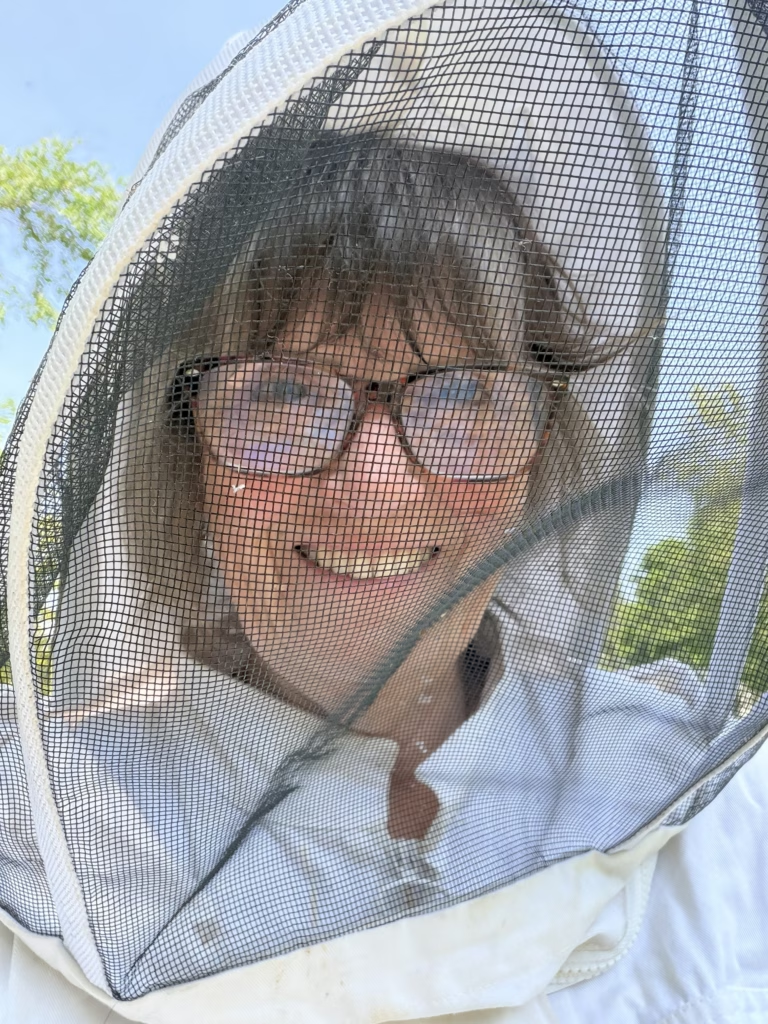
There is a little magic in the everyday rhythms of the apiary. Old keepers say a swarm is a migration of possibility; when bees choose a place, they bless it. Watch for the first returning foragers with pollen like tiny flags; that’s the farm announcing itself. I leave a shallow bowl of water with a stone near the hives as both offering and promise; practical and ceremonial, it steadies the yard in a way that feels almost sacred. When the light is right, and the air is still, the whole place seems to hold its breath and listen to the hum, and in that hum you can hear the work of soil, flower, and season being translated into life.
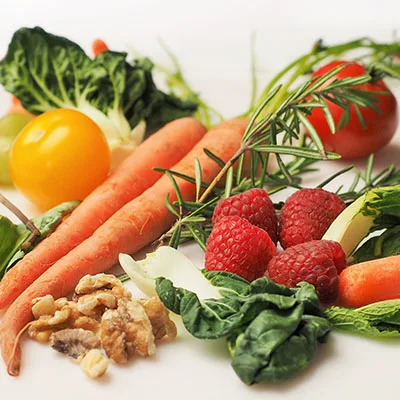
Bees do way more than make honey; they pollinate about one in every three bites of food you eat, from apples and berries to nuts and many vegetables, and without them our diets would shrink, and our nutrition would take a real hit. Lose those pollinators, and you don’t just lose flavor and variety; you lose access to the vitamin‑ and mineral‑rich foods that keep people healthy, food prices climb, and farming becomes less resilient. Protecting bees, by keeping habitat, cutting back on harmful pesticides, and supporting pollinator‑friendly farming, is literally protecting the quality of our food and the health of our communities.
Raw Unfiltered Honey
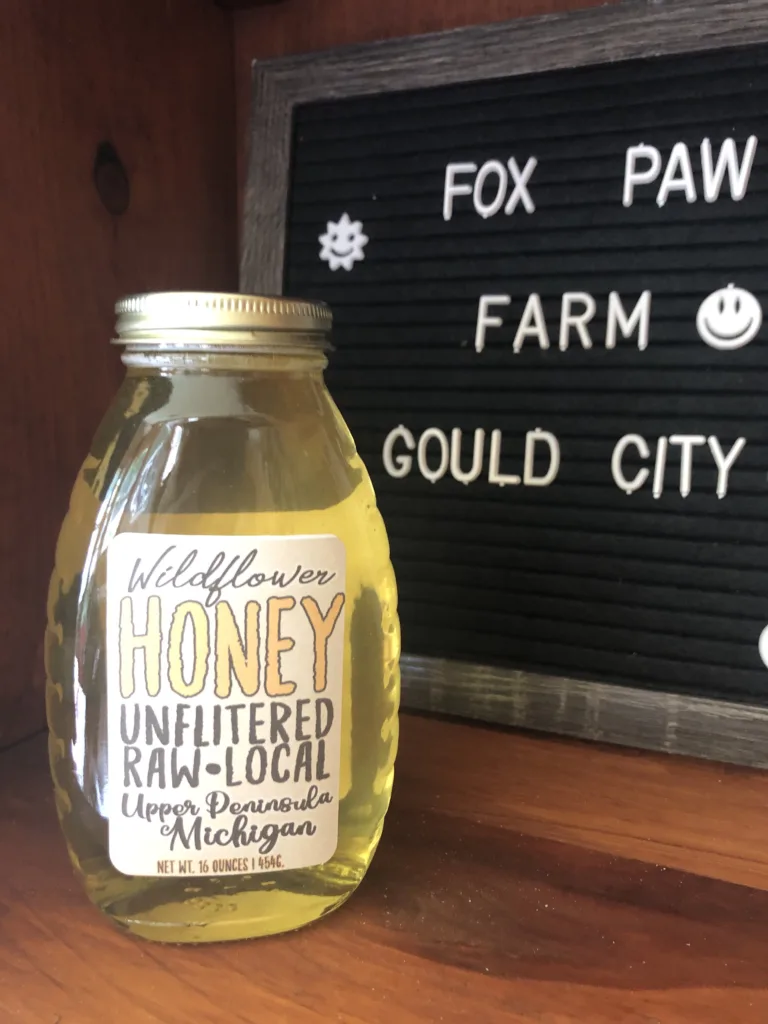
Why raw, local, unfiltered honey matters: Raw honey retains enzymes, antioxidants, bee pollen, and propolis that are reduced or destroyed by pasteurization and heavy filtering; these compounds contribute to honey’s antibacterial and antioxidant properties. Different floral sources produce different antioxidant profiles; darker honeys often test higher in polyphenols, so your local floral mix shapes the health benefits. Local honey also connects you to place: it carries trace pollen from your landscape, supports small beekeepers who practice sustainable methods, and keeps dollars and stewardship local.
Practical benefits: raw honey can soothe sore throats, support wound care in traditional and clinical contexts, and provide antioxidants that help reduce oxidative stress. Use it sparingly as a replacement for refined sugar to gain these benefits. Most common guidelines suggest that you do not give honey to infants under one year old.
Risks and tradeoffs: Raw honey is unpasteurized and can carry microbes; buy from trusted local producers and store it properly. Antioxidant content varies by floral source, so don’t expect uniform medicinal effects.
What We Learn
Bees teach patience. They ask us to plant for seasons, not for a single harvest; to leave hedgerows, to seed corridors of bloom, and to choose presence over control. In practical terms, that means continuous forage, minimal chemical inputs, and habitat that supports wild pollinators as well as honey bees, choices that build soil, increase biodiversity, and strengthen the whole farm system.
There is a small magic to raw, local, unfiltered honey that I can taste and feel in my kitchen. Unlike pasteurized, heavily filtered honey, raw honey retains enzymes, antioxidants, pollen, and propolis compounds that contribute to its antimicrobial and antioxidant activity. These components are part of why traditional and modern studies point to honey and other bee products as having broad antimicrobial potential.
Bee Propolis
Propolis, bee glue, deserves its own paragraph. When combined with honey, propolis can enhance antibacterial effects, and research shows synergistic activity against foodborne pathogens and other microbes. For those of us who use bee products as remedies, propolis tinctures and honey‑propolis blends are powerful, natural tools.
What propolis is, what bees do with it, and how they make it
Propolis is a resinous, sticky substance bees collect from plant buds, tree sap, and other botanical sources; they mix those plant resins with wax and enzymes to make a versatile hive material with antimicrobial and sealing properties.
What bees use it for
- Sealing and structural repair: bees use propolis to seal cracks, gaps, and small openings in the hive, smoothing internal surfaces and strengthening the colony’s architecture.
- Hive hygiene and defense: propolis helps reduce microbial load inside the hive; its resinous, antimicrobial compounds lower the growth of bacteria and fungi where brood and food are stored.
- Stabilizing comb and insulating: bees apply propolis around comb edges and on uneven surfaces to stabilize comb, reduce drafts, and make the interior more weather‑resistant.
- Defense against invaders: when small pests or intruders enter, bees may coat them with propolis (a behavior called “propolizing”) to immobilize or neutralize them.
How bees make propolis
- Collecting resins: forager bees visit plant sources (tree buds, sap flows, poplar, birch, conifers, and other resinous plants) and gather sticky resins on their corbiculae (pollen baskets) or legs.
- Transport and processing: returning foragers bring the raw resins into the hive, where worker bees chew and mix them with beeswax, saliva, and glandular enzymes. This mechanical and enzymatic processing transforms the plant resin into the darker, more workable propolis.
- Application and curing: bees apply the warmed, malleable propolis to gaps, crevices, and surfaces; it hardens into a protective, antimicrobial coating as it cools and cures.
Practical notes people care about
- Composition varies by place: propolis chemistry depends on local plants, so color, scent, and antimicrobial profile change with landscape and season.
- Human uses: people make tinctures, salves, and honey‑propolis blends because propolis contains flavonoids, phenolic acids, and other compounds with antimicrobial and antioxidant activity.
- Safety: propolis can cause allergic reactions in people sensitive to bee products or certain plant families; always patch‑test topical products and consult a clinician for internal use.
Bee Propolis Salve Recipe and Steps
Yield: about 2 ounces (60 ml) salve. Purpose: topical skin salve for general soothing and barrier support. For external use only.
Ingredients
- Propolis: 1–2 g propolis resin powder or 10–15 drops propolis tincture.
- Carrier oil: 1.5 oz (45 ml) olive oil, sweet almond oil, or jojoba.
- Beeswax: 0.5 oz (14 g) grated beeswax (gives a soft, spreadable salve).
- Optional: 5 drops lavender or tea tree essential oil for scent (use only if not allergic).
Equipment
- Small heatproof jar or glass measuring cup
- Double boiler or small saucepan and heatproof bowl
- Fine mesh strainer or cheesecloth (if infusing resin)
- Digital scale or measuring spoons
- Small tins or glass jars for finished salve
- Stirring utensil and labels
Method A: Infused Oil Using Propolis Resin
- Prepare resin: If using raw propolis chunks, finely chop or grind 1–2 g.
- Infuse oil: Combine propolis and 1.5 oz carrier oil in a small jar. Heat gently in a double boiler or in a warm oven (120–140°F) for 1–3 hours, stirring occasionally. Do not overheat. Alternatively, cold‑infuse for 2–4 weeks in a dark place, shaking daily.
- Strain: Strain oil through cheesecloth to remove solids. Measure the strained oil volume.
Method B: Using Propolis Tincture
- Measure oil and beeswax: Place 1.5 oz carrier oil and 0.5 oz beeswax in a heatproof jar.
- Melt: Warm in a double boiler until beeswax fully melts and the mixture is clear.
- Add tincture: Remove from heat and stir in 10–15 drops propolis tincture. Mix thoroughly so the alcohol disperses; a small amount of alcohol will evaporate. If you prefer no alcohol, use Method A.
Below is a practical, safety‑focused list of essential oils you can add to a propolis salve to increase beneficial properties, plus exact dilution guidance, application tips, and safety warnings. I included current safety best practices so you can formulate responsibly.
Best essential oils to add (benefit + why)
- Lavender (Lavandula angustifolia) — soothing, calming, gentle anti‑inflammatory; excellent for sensitive skin and general wound‑care support.
- Tea tree (Melaleuca alternifolia) — antimicrobial and antiseptic properties; useful for minor cuts, scrapes, and blemishes. Use at low dilutions to avoid irritation.
- Frankincense (Boswellia carterii/serrata) — anti‑inflammatory and skin‑regenerative; good for mature or scar‑prone skin.
- Helichrysum (Helichrysum italicum) — wound‑healing and anti‑bruising reputation; often used for skin repair and inflammation.
- Chamomile (Roman or German) — calming, anti‑inflammatory, and soothing for irritated or sensitive skin. Roman chamomile is gentler for topical use.
- Rosemary (Rosmarinus officinalis) — circulation‑stimulating and antimicrobial; useful in small amounts for muscle rubs and to support skin health.
- Copaiba or Helichrysum blend — copaiba (resin oil) is used for anti‑inflammatory support and blends well with propolis for topical soothing.
Dilution & dosing (practical, safe guidelines)
- General topical dilution for adults (salve):0.5–2.0% essential oil concentration is appropriate for leave‑on salves.
- 0.5% = 3 drops per 1 oz (30 ml) salve.
- 1.0% = 6 drops per 1 oz salve.
- 2.0% = 12 drops per 1 oz salve (use only for short‑term targeted use and with non‑irritating oils).
- For sensitive skin, children, elderly, or facial use: stay at 0.25–0.5% (1–3 drops per oz).
- For antimicrobial support (e.g., tea tree): keep tea tree at ≤1% in a leave‑on salve to reduce irritation risk. Combine with gentler oils (lavender, chamomile).
Safety, contraindications, and testing
- Patch test every batch: apply a pea‑size amount to inner forearm; wait 24 hours. If redness, itching, or swelling occurs, discontinue.
- Allergy caution: if allergic to bee products or plant families (Asteraceae, Lamiaceae, etc.), test carefully and consult a clinician before use.
- Pregnancy & breastfeeding: avoid certain oils (e.g., rosemary, high‑dose cinnamon, clove, oregano) and consult a healthcare professional before use. Use very low dilutions or avoid essential oils entirely in pregnancy unless approved by a clinician.
- Children: use very low dilutions (0.25–0.5%) and only child‑safe oils (lavender, Roman chamomile). Avoid strong antiseptic oils like undiluted tea tree or eucalyptus on young children.
- Photosensitizing oils: citrus oils (bergamot, lemon, lime, bitter orange) can cause sun sensitivity; avoid in daytime leave‑on salves or use non‑photosensitizing citrus absolutes and keep dilution very low.
- Drug interactions & medical conditions: if you take medications or have chronic conditions, check with a pharmacist or clinician before regular topical use. Some oils can interact or exacerbate conditions.
Blending ideas (simple, effective combos)
- Everyday soothing salve: Lavender 1% + Roman chamomile 0.5% (total ~1.5%). Gentle, calming.
- Antimicrobial spot salve: Tea tree 0.75% + Lavender 0.75% (total 1.5%). Use for minor cuts or blemishes; keep tea tree ≤1%.
- Skin repair salve: Frankincense 1% + Helichrysum 0.5% + Lavender 0.5% (total 2.0% — use short term or on small areas).
Finalize Salve
- Optional scent: Add up to 5 drops of essential oil and stir.
- Pour: While warm, pour into clean tins or jars.
- Cool: Let cool at room temperature until solid. Cap and label with product name, batch date, and ingredients.
Ratios and Adjustments
- Beeswax to oil ratio: 1:3 (firmer 1:2; softer 1:4). Adjust beeswax to reach desired firmness.
- Propolis strength: Resin powder 1–2% by weight or tincture 5–10% of final volume is typical for topical salves. Do not exceed manufacturer guidance for concentrated extracts.
Label language to include on jars
- “For external use only. Patch test before use. If irritation occurs, discontinue. Not for use in pregnancy or on children without medical advice. Keep out of eyes. Store cool.”
Storage and Shelf Life
- Store in a cool, dark place.
- Shelf life: typically 6–12 months. Discard if smell, color, or texture changes.
Safety and Usage
- Patch test: apply a small amount to inner forearm and wait 24 hours. If redness, itching, or swelling occurs, discontinue use.
- Allergy warning: do not use if allergic to bee products, honey, or bee stings.
- Not for ingestion. For pregnant or breastfeeding people, children, or those on medications, consult a healthcare professional before use.
- For serious wounds or infections, seek medical care rather than relying on a homemade salve.
Beyond chemistry, scent and presence matter. Apitherapy traditions and emerging research explore how bee‑derived substances and even the scent of the hive can influence human wellbeing; propolis and honey are being studied for wound care, immune support, and as adjuncts in antimicrobial strategies. Recent work also shows that adding propolis can increase antioxidant measures in honey, reinforcing its functional value.

Let’s live our lives like bees: show up together, do the small steady work, turn tiny moments into sweetness, and stick close when the weather turns cold. Share the load, cover for one another, celebrate the bloom, and remember that the quiet, daily labor is what makes the table richer for everyone.
Protect forage, avoid sprays, & harvest sparingly. If you want honey that carries place and medicine, choose raw, local, unfiltered; it’s a taste of your land and a small act of healing for the soil, the farm, and the people who eat from it.
Thanks for reading; it means the world to us. If our stories and recipes brought you a little closer to the hive, please subscribe and leave a comment; we’d love to hear your thoughts, questions, and what you’re seeing in your own yard. From our hives to your table, thank you for being part of this work. — Don & Kirsten
-
Why Small, Cold‑Climate Farms Are Turning to Sheep
Across northern homesteads and small farms, sheep are becoming one of the most reliable and regenerative additions to the landscape. They thrive in cold weather, integrate seamlessly into mixed farming systems, and offer a surprising range of products that support both self-sufficiency and diversified income. For farms operating in short seasons, with rugged terrain, and…
-
Why I Choose Organic Non‑GMO for Our Neighborhood Table
I choose to grow highly nutritious, chemical‑free food because the people I feed, children, families, and elders, deserve produce that is safe, flavorful, and grown with long‑term care for the soil and local food system. This garden is my promise: no synthetic pesticides, no engineered seed dependence, and every handful of compost and seed saved…
-
What is Yule
Yule is one of the oldest winter festivals in the world, rooted in ancient Norse and Germanic traditions, celebrating the rebirth of the sun at the Winter Solstice and the turning of the year. Origins and Meaning Yule, also called Yuletide or Jól in Old Norse, was historically observed by Germanic and Norse peoples as…