Late‑Summer Forage: Vinegars That Taste Like Home
As a farm‑to‑table chef and forager, I spend my days walking the fields and edges of the property, tasting the season as it changes. Making flavored vinegars is one of my favorite ways to bottle those late‑summer and fall flavors; a small jar of vinegar becomes a concentrated memory of sun, soil, and time. I love starting a meal with a splash of something I grew or gathered myself; it wakes the palate and ties the plate back to the land that produced it.
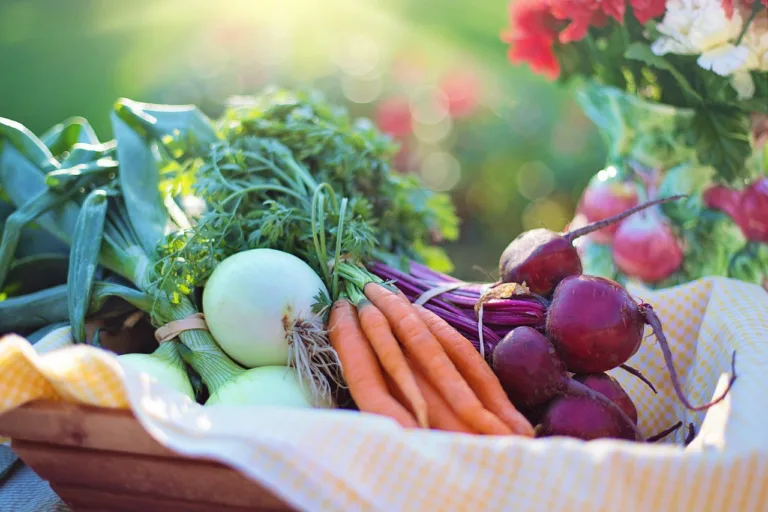
I’m lucky to have fields, farm rows, and forest edges where I grow and forage the herbs and wild greens I steep into vinegars, it’s a daily practice that keeps me rooted in the seasons. I know not everyone has that blessing, and I want to be clear: you don’t need to live on a farm to taste the place; you can build those connections. Talk to the farmers you buy eggs or produce from, visit markets, and ask about what’s coming up in their beds, most small growers are happy to set aside a handful of fresh herbs or point you to a neighbor who will. I love sharing what I harvest, but I don’t always have every herb pre‑cut and waiting in the Market refrigerator; if you ask, I’ll gladly pull something fresh for you or reserve a bunch when it’s ready. Building food relationships with growers who specialize in seasonal things changes how you cook and eat: you get better flavor, better timing, and you help keep small farms thriving.
Herbs for Vinegar
Rosemary — resinous and piney; pairs beautifully with apple‑cider vinegar for roasted vegetables and pork. Thyme — subtle, savory; excellent in white‑wine vinegar for dressings. Sage — warm and earthy; works well with ACV or red‑wine vinegar for fall salads. Oregano — bold and savory; ideal in red‑wine vinegar for marinades and robust dressings. Parsley — bright and mineral; a good extractor of green, herbaceous notes. Chives — oniony and fresh; use in white vinegar for bright vinaigrettes. Dill — grassy and floral; classic for pickling vinegars and lighter fish dishes. Cilantro — citrusy and green; lifts white‑wine vinegar for Latin- or Asian influenced dressings.

Wild Herbs and Foraged Plants
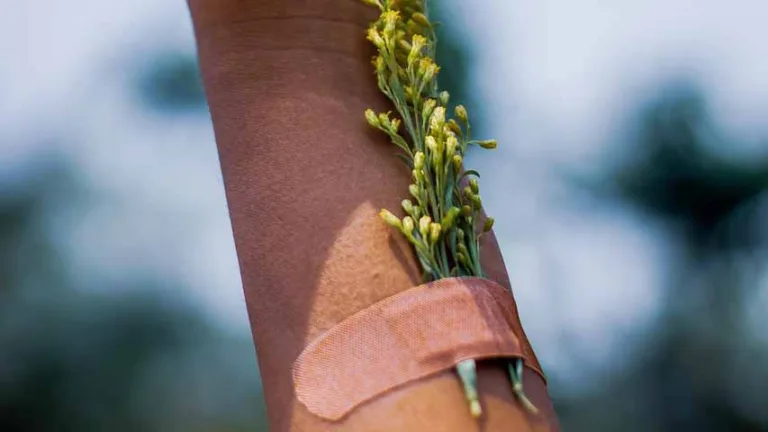
Goldenrod — floral and late‑season bright; makes a honeyed, aromatic vinegar. New England Aster — mild and floral; blends well with other late blooms. Chrysanthemum varieties — bitter‑aromatic; useful in digestive‑style vinegars. Wild mint — cooling and strong; a lively match for white vinegar. Dandelion — grassy and mineral; gives body and depth to vinegars. Rosehip — fruity and vitamin‑rich; adds fruitiness and color to ACV. Wild chamomile — soft and floral; pairs with white‑wine vinegar for delicate dressings. Wild sage patches — use sparingly for a warming, savory backbone.
Vinegar Bases and Pairings
Apple‑cider vinegar — best for rosemary, sage, oregano, goldenrod, and rosehip; great with roasted meats and root veg. White Vinegar — bright and neutral; ideal for mint, chives, dill, chamomile, and cilantro when you want the herb to sing. White‑wine vinegar — elegant and slightly fruity; pairs with thyme, chamomile, and cilantro for lighter salads and seafood. Red‑wine vinegar — robust and tannic; use with oregano and sage for heartier dressings and marinades.
Blend Ideas for Late Summer and Fall
Forest Blend — wild mint, sage, dandelion, and a few rosehips in apple‑cider vinegar; savory with a hint of fruit. Late Floral — goldenrod, aster, and chamomile in white‑wine vinegar; floral, bright, and great on roasted squash. Mineral Boost — parsley, dandelion, and chamomile in white vinegar; use where you want a green, mineral lift. Spicy Herb — oregano, thyme, and a touch of crushed red pepper in red‑wine vinegar; excellent for dressings on grilled vegetables.
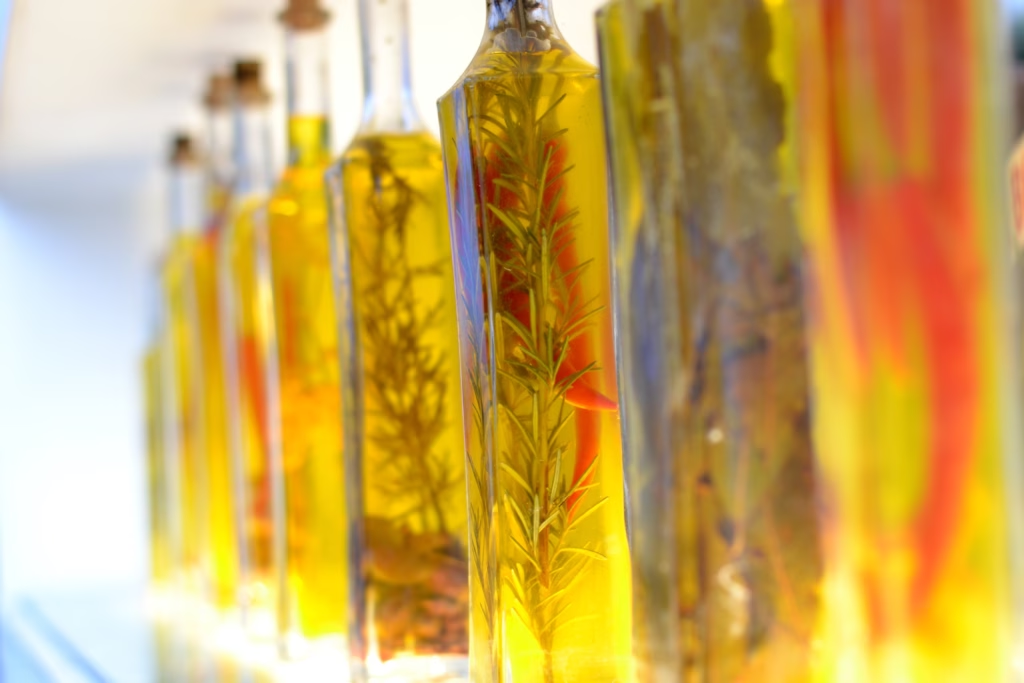
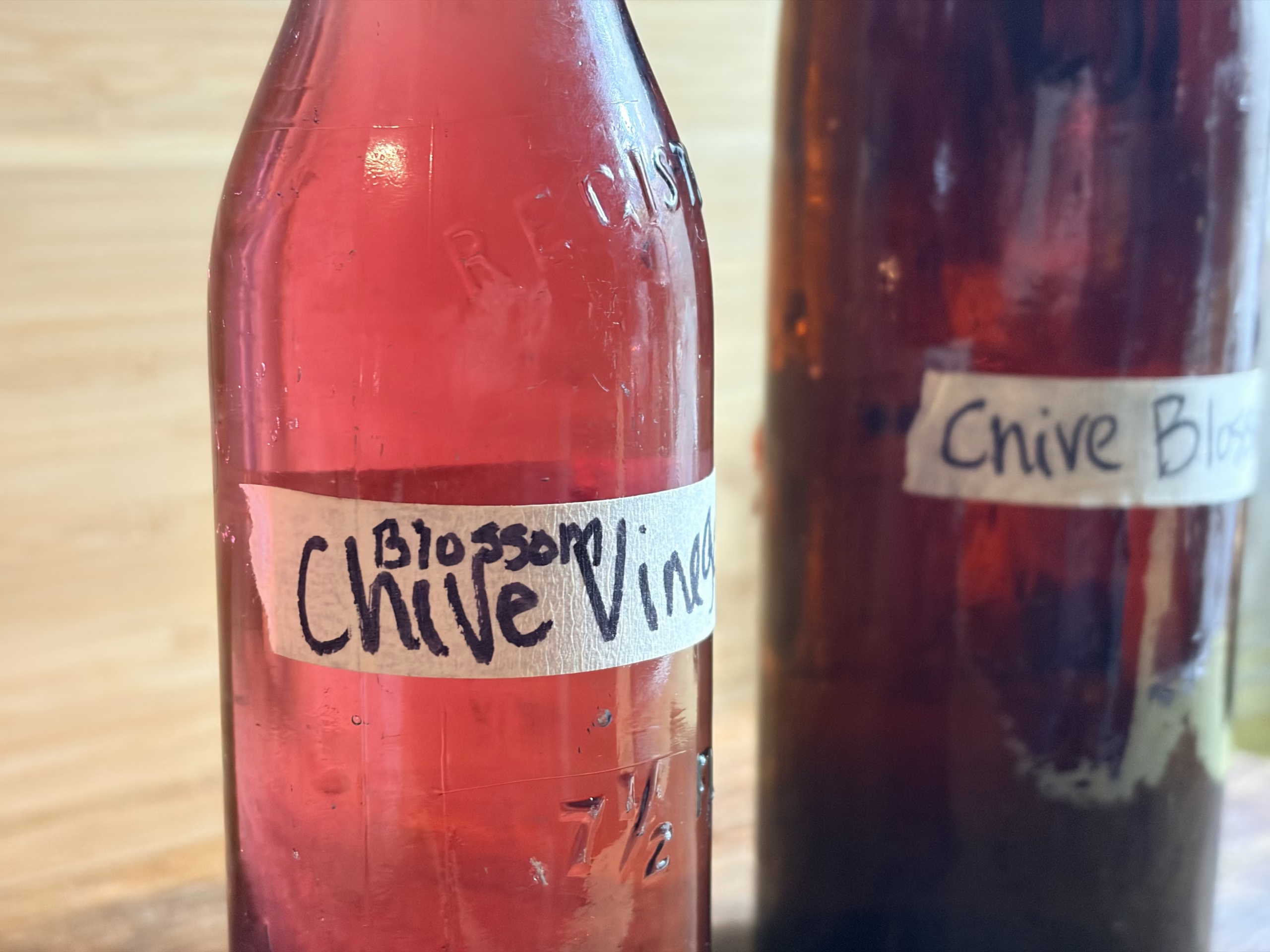
I love upcycling vintage bottles for my vinegars, there’s something honest about giving a second life to glass that would otherwise end up in a landfill. I clean each bottle thoroughly, let it air dry upside down until it’s perfectly clear, I then sanitize it using one of the tried and true methods below, and then fill it with the bright, herb‑stained liquid I’ve coaxed from the fields; the result is a small object that holds a season. Those bottles sit on my shelf like little maps of the farm, catching light and color, and they make the pantry feel like a curated cabinet of memories. Choosing to reuse glass is a quiet act of resistance against the throwaway culture, it keeps useful things out of the waste stream, honors the labor that went into growing and preserving, and closes the loop between harvest and table. Living close to the earth means these small, deliberate choices: forage, preserve, and reuse so that less goes to waste and more stays in circulation, each jar a reminder that beauty and utility can coexist without costing the planet.
Bottle sanitizing (two safe options)
- Oven method: Preheat oven to 170°F. Wash bottles and lids in hot, soapy water, rinse, then place glass bottles (no plastic lids) on a baking sheet. Oven‑sanitize 6–8 minutes. Remove with tongs and let dry upside down on a clean rack.
- Boil method: Wash bottles and lids, then fully submerge in a pot of clean, rolling water and boil for 5 minutes. Remove with tongs and drain upside down on a clean rack to dry. Use whichever method fits your setup; always handle sanitized glass with clean hands or tongs.
Making herb vinegar in a quart jar (simple, reliable)
- Choose your vinegar base (ACV, white wine, white distilled, etc.) to match the herb flavor you want.
- Prepare herbs/flowers: Use fresh, clean herbs or foraged flowers. Shake off dirt; if very wet, pat dry so you’re not adding excess water.
- Pack the jar: Place herbs loosely into a sanitized quart jar, don’t cram them; leave some headspace.
- Fill with vinegar: Pour the vinegar over the herbs until fully submerged and the jar is nearly full. Leave about ½” headspace.
- Seal & label: Close with a sanitized lid, label with herb name and date.
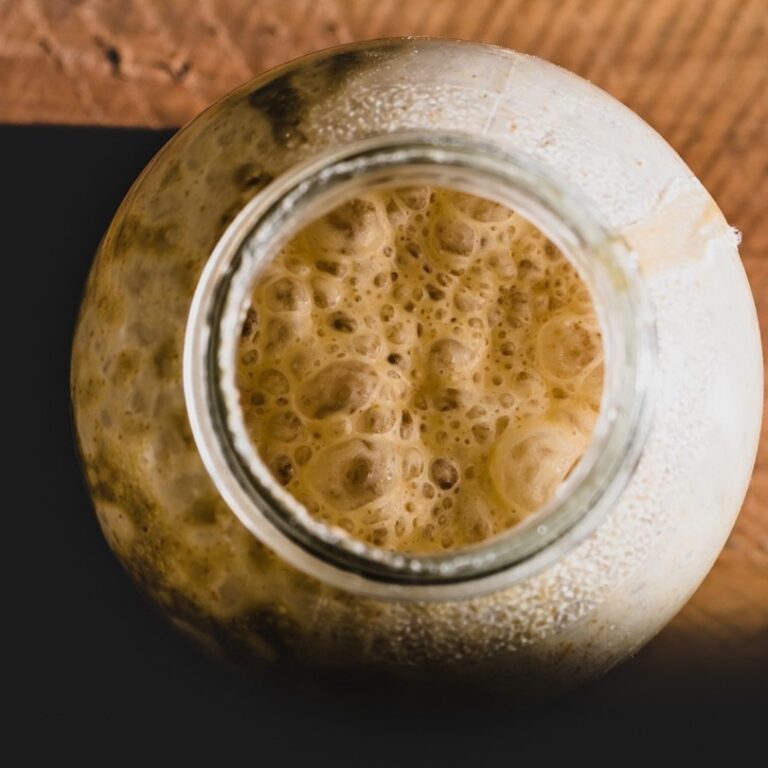
- Age out of sunlight: Store the jar on a shelf out of direct sunlight for at least 6 weeks. Check color: when the herb or flower has lost its color and the tint has moved into the vinegar, the infusion is finished.
- Strain & bottle: Strain through a fine mesh or cheesecloth into sanitized bottles. Discard spent herbs (or compost them). Seal bottles airtight and label with contents and date.
- Store: Keep finished bottles in a cool, dark place. Vinegars improve with time and will keep for many months to a year or more.
Quick notes on timing and strength
- Minimum: 6 weeks gives a clear, balanced infusion.
- Longer: 8–12 weeks deepens flavor; taste periodically.
- Concentration: If the vinegar is too sharp, mellow it with a little extra stock or a pinch of sugar when using; if too weak, re‑infuse with fresh herbs for a few weeks.
Why glass is best for storing vinegars
- Inert and non‑reactive: Glass won’t leach flavors or chemicals into acidic vinegar the way some plastics or metals can.
- Flavor integrity: Glass preserves the pure herb character, nothing competes with or dulls the aroma.
- Visibility: You can watch color and clarity as the infusion develops.
- Reusable & recyclable: Upcycled vintage bottles are beautiful on the shelf and keep glass out of the landfill, a small, practical act of living closer to the earth.
- Airtight sealing: Glass bottles with good caps keep vinegar stable and slow oxidation or flavor loss. I purchase bags of corks of different sizes to keep on hand for when I need them.
Using Your Herb Vinegars
- Finish: A teaspoon or tablespoon at service brightens roasted vegetables, grains, and braises.
- Dress: Use 1 part herb vinegar to 3–4 parts oil for quick vinaigrettes.
- Marinate: Combine with oil and aromatics for quick marinades; stronger vinegars and bolder herbs work best.
- Preserve: Keep vinegars in a cool, dark place; they age and mellow, and many improve after a few weeks.
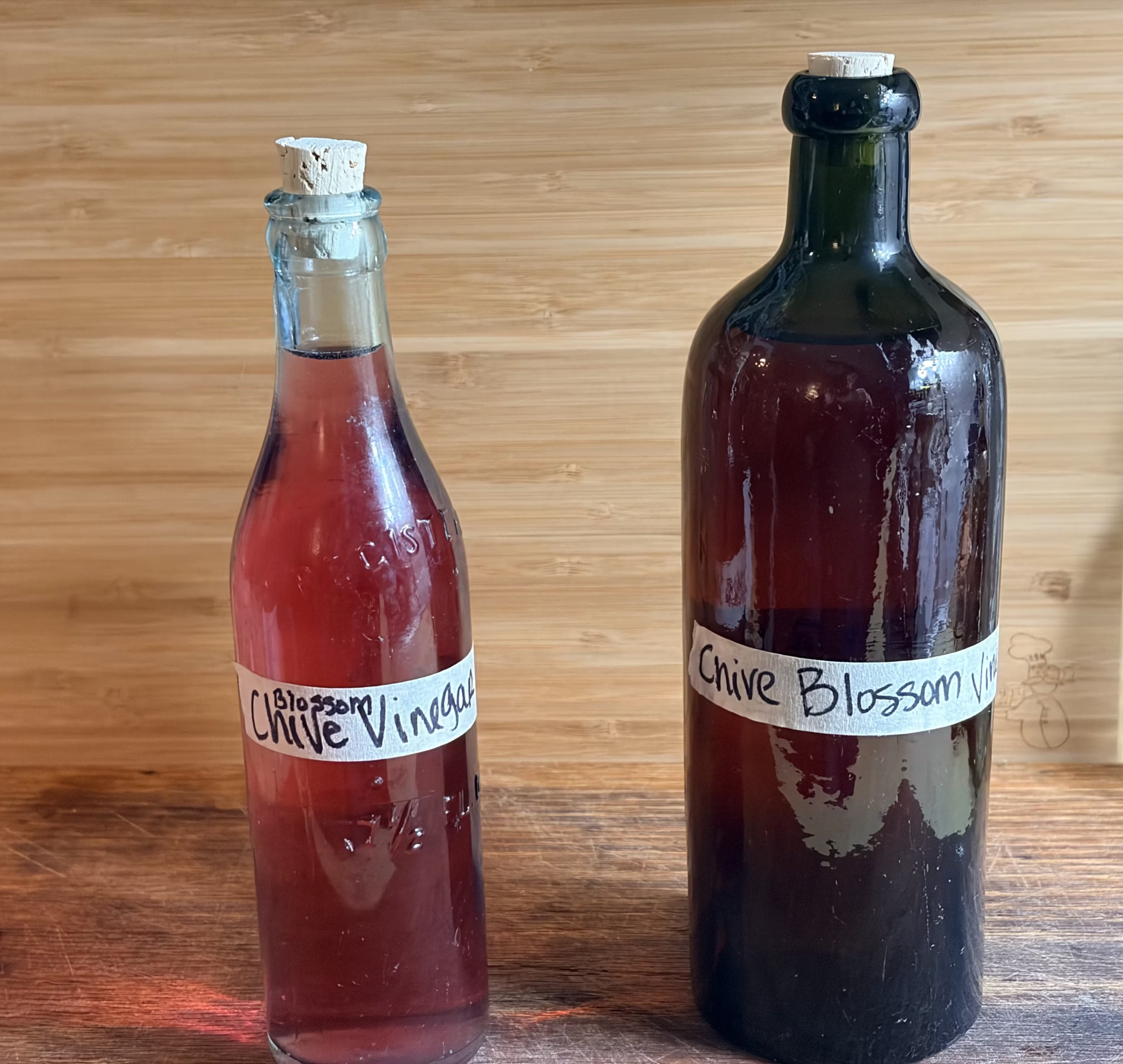
Chicken in a Pan with Herbed Vinegar, Rice, and Seasonal Vegetables
A simple, farm‑to‑table weeknight main: pan‑seared chicken finished with a bright herbed vinegar pan sauce, served with steamed rice and quickly sautéed seasonal vegetables tossed with a splash of the same vinegar. Designed for 4 servings and built for clarity in the kitchen.
Ingredients (4 servings)
Chicken
- Boneless skin‑on chicken thighs or breasts — 4 pieces (6–8 oz each)
- Salt — 1½ tsp total
- Black pepper — 1 tsp total
- Neutral oil (canola, grapeseed) — 2 tbsp
- Butter — 1 tbsp (optional, for finish)
Herbed Vinegar Pan Sauce
- Herbed vinegar (apple‑cider or white‑wine base infused with rosemary/thyme/oregano) — ¼ cup
- Chicken stock — ½ cup
- Shallot, finely minced — 1 small (about 30 g)
- Garlic, minced — 1 clove
- Cold butter — 1 tbsp, cubed (for mounting sauce)
- Fresh herbs, chopped (parsley, chives, or thyme) — 1 tbsp
Rice
- Long‑grain rice (jasmine or basmati) — 1½ cups (uncooked)
- Water or stock — 3 cups
- Salt — ½ tsp
- Butter or oil — 1 tsp
Seasonal Vegetables
- Mixed vegetables (e.g., zucchini, bell pepper, green beans, or carrots) — 12–16 oz total, cut into bite‑size pieces
- Olive oil — 1 tbsp
- Salt and pepper to taste
- Herbed vinegar — 1–2 tsp to finish
- Optional garnish: lemon zest or extra chopped herbs
Equipment and Mise en Place
- Large heavy skillet (cast iron or stainless) for chicken
- Small saucepan for rice
- Medium sauté pan for vegetables
- Tongs, thermometer, spoon, whisk
- Prep: measure liquids, mince shallot/garlic, chop herbs, cut vegetables, rinse rice
Method
Rice
- Rinse rice until water runs clear.
- Combine rice, water (or stock), salt, and butter in a saucepan. Bring to a boil uncovered.
- Reduce to a low simmer, cover, and cook 15 minutes (or per package). Remove from heat and rest 10 minutes covered. Fluff before plating.
Chicken
- Pat chicken dry; season both sides with salt and pepper.
- Heat skillet over medium‑high until hot. Add oil.
- Place chicken skin side down (if using skin) and sear without moving for 5–7 minutes until deep golden and fat renders.
- Flip and sear the second side 3–5 minutes. If pieces are thick, reduce heat and finish 3–6 minutes until internal temp reaches 165°F. Use a probe thermometer to verify.
- Transfer chicken to a warm plate and tent loosely.
Herbed Vinegar Pan Sauce
- With skillet still hot and 2 tbsp of fond in the pan, reduce heat to medium. Add shallot and garlic; sweat 30–45 seconds until fragrant (do not brown).
- Deglaze with herbed vinegar (¼ cup), scraping up browned bits. Let vinegar reduce by half, about 1–2 minutes.
- Add chicken stock (½ cup) and simmer 2–3 minutes to reduce slightly.
- Off heat, whisk in cold butter cubes one at a time to emulsify and slightly thicken the sauce. Stir in chopped fresh herbs and adjust seasoning.
- Return chicken to pan briefly to warm and coat with sauce, or spoon sauce over plated chicken.
Vegetables
- Heat sauté pan over medium‑high with olive oil. Add vegetables that take longest first (carrots, green beans), then quicker items (zucchini, peppers).
- Season with salt and pepper; sauté until tender‑crisp, 4–6 minutes depending on veg.
- Finish with 1–2 tsp herbed vinegar and toss once to coat. Remove from heat.
Plating and Service
- Spoon ¾ cup rice onto each plate (or use a ring for neat presentation).
- Arrange seasonal vegetables beside rice.
- Place chicken on top or beside rice; spoon 1–2 tbsp pan sauce over chicken.
- Garnish with a light sprinkle of chopped herbs and a small lemon zest if desired. Serve immediately.
Timing and Notes
- Total active time: ~35–45 minutes.
- Make‑ahead: Rice can be cooked and held warm; vegetables can be blanched and refreshed; sauce can be reduced and finished with butter at service. Reheat chicken gently to avoid drying.
- Temperature control: Chicken must reach 165°F. Hold hot food at> 135°F if not served immediately.
- Vinegar balance: If your herbed vinegar is very sharp, dilute with a little extra stock or add a pinch of sugar to balance acidity.
- Substitutions: Use bone‑in chicken for deeper flavor (increase cook time) or swap rice for farro or barley for a heartier grain.
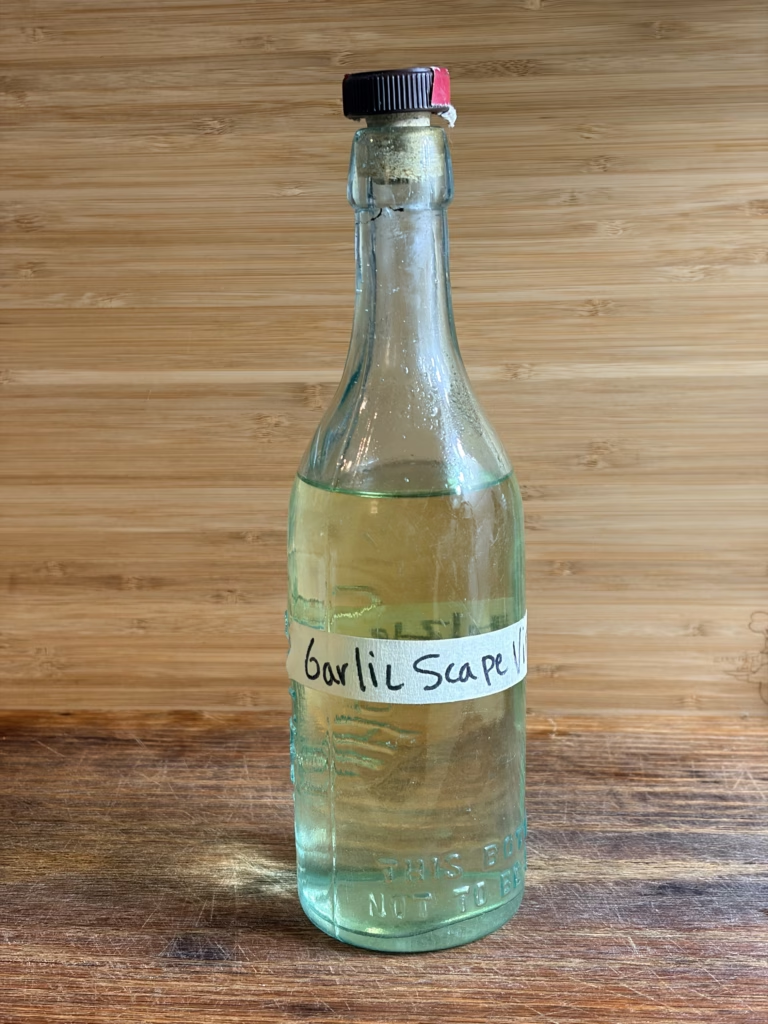
Choosing to live seasonally and close to the earth is a deliberate way of slowing down and letting the land set the menu; I plant, forage, and preserve not because it’s trendy but because the flavors are truer, the work is honest, and every jar or splash of vinegar carries a place and a moment. When I cook this way, meals begin in the field and end at the table, and that loop, seed to plate, sun to spoon, keeps food simple, clean, and full of memory. Follow for more recipes and tips on filling your life with clean flavor.
Peace, Kirsten & Don, The Seasonal Farmer