Why Small, Cold‑Climate Farms Are Turning to Sheep
Across northern homesteads and small farms, sheep are becoming one of the most reliable and regenerative additions to the landscape. They thrive in cold weather, integrate seamlessly into mixed farming systems, and offer a surprising range of products that support both self-sufficiency and diversified income. For farms operating in short seasons, with rugged terrain, and a desire to build soil rather than deplete it, sheep are a natural fit.
Childhood Memory Shaped for a Regenerative‑Farm
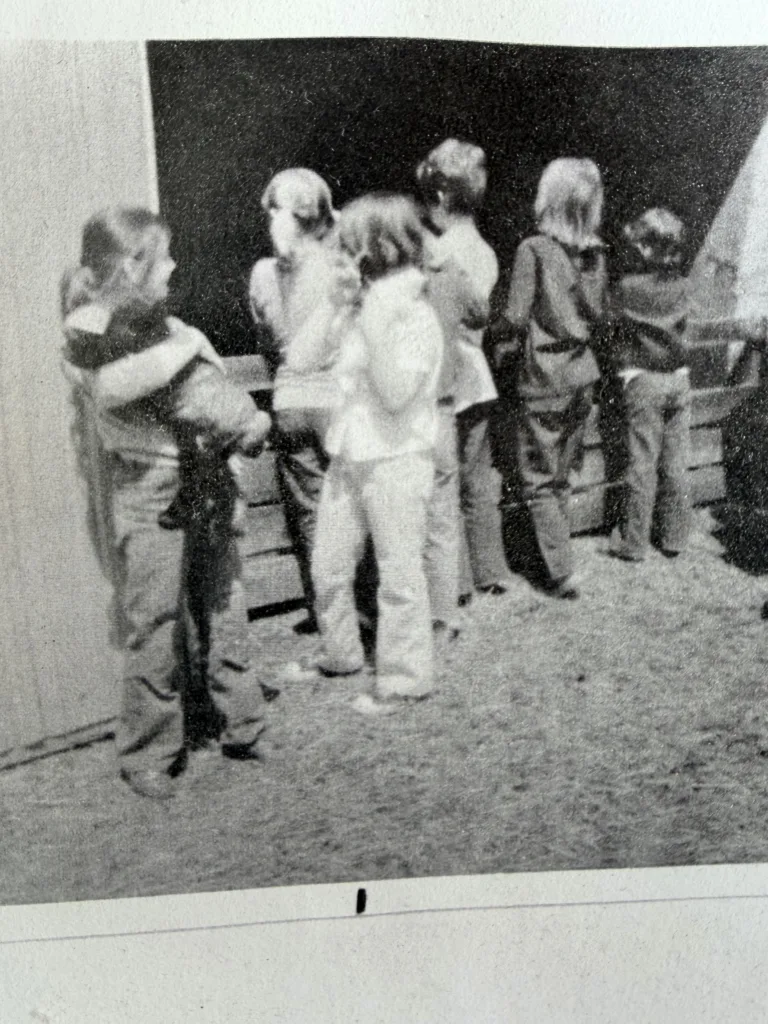
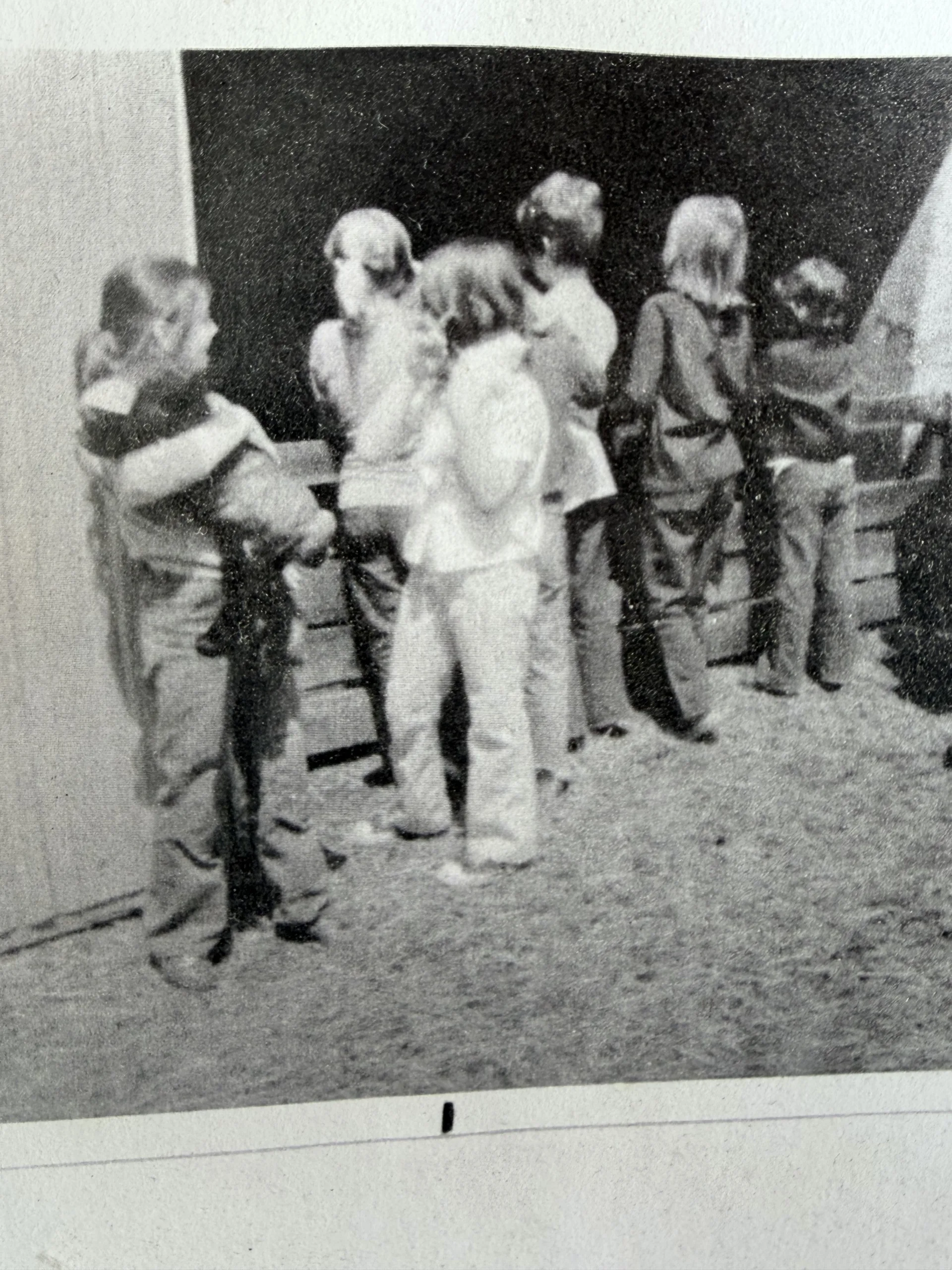
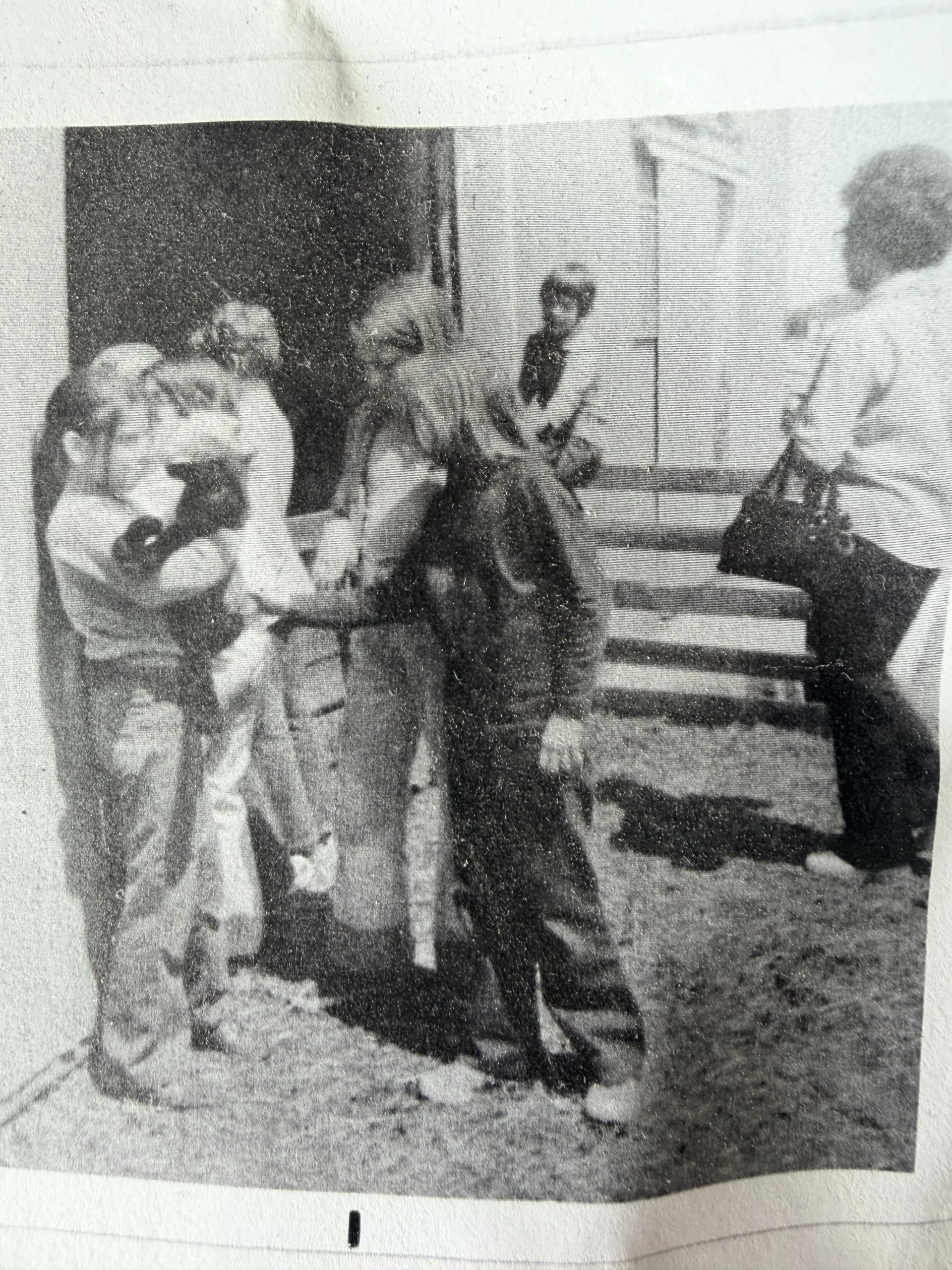
My love for sheep began long before I ever understood what it meant to steward land or raise animals with intention. As a child, I visited a small sheep farm, and someone placed a newborn lamb in my arms. I remember the warmth of its body, the lanolin on my hands, and the quiet way it settled into me as if I were already part of its flock. That moment planted something steady and lifelong, a sense of calm, responsibility, and connection to living creatures that has guided me ever since. I didn’t know it then, but that lamb was my first teacher, showing me the gentleness and reciprocity that now shape how I care for my own sheep and the land they graze.
Why Sheep Belong in a Regenerative System
Cold‑Hardy and Low‑Impact
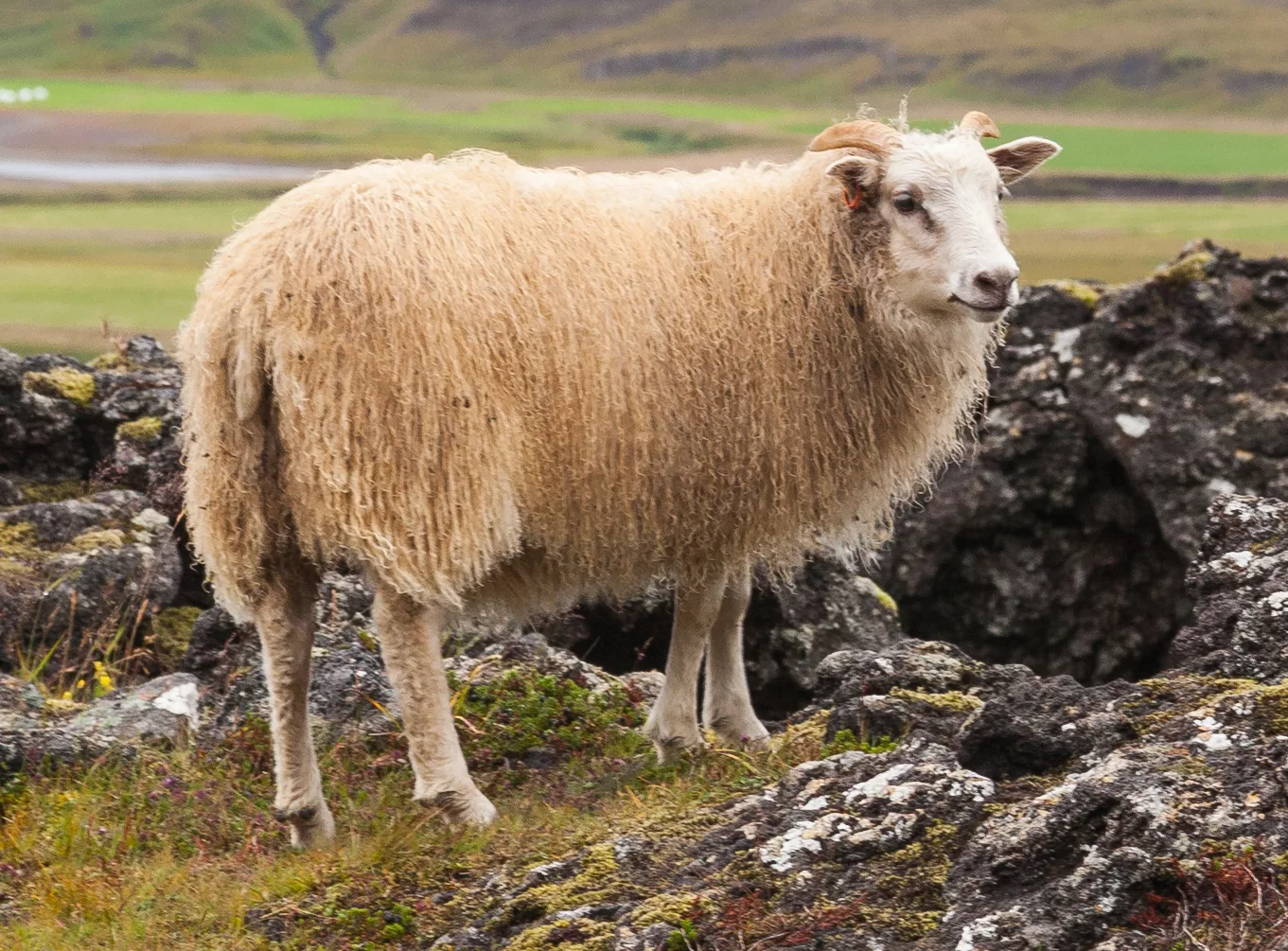
Sheep evolved for harsh climates. Their wool coats, efficient metabolisms, and flocking instincts make them comfortable in long winters and unpredictable shoulder seasons. Unlike heavier livestock, they don’t compact wet spring soils or require large barns, making them ideal for small northern farms.
Grazers That Heal the Land
Sheep are gentle, selective grazers. When moved through pastures or woodland edges in a rotational system, they:
- Stimulate grass regrowth
- Reduce brush and invasive species
- Encourage diverse plant communities
- Add organic matter through manure
- Improve water infiltration and soil structure
Their manure is mild and breaks down quickly, feeding soil microbes without burning plants. In silvopasture systems, sheep help open understories, fertilize tree roots, and maintain healthy ground cover.
A Closed‑Loop Partner
Regenerative farming thrives on cycles: nutrients returning to the soil, waste becoming a resource, and animals supporting the land that feeds them. Sheep fit this beautifully. Wool becomes mulch or pellets for the garden. Manure enriches compost. Milk, meat, and fiber support the household and the farm store. Every part of the animal can be used, and every season offers a new way in which they contribute to the land.
Income Sources From Sheep on a Small Farm
Sheep offer a wide range of products that align with regenerative values and small‑farm scale.
Fiber & Wool: Wool is renewable, biodegradable, and endlessly useful. Income options include:
- Raw or washed fleece
- Roving and batts
- Hand‑dyed yarn
- Felted goods (slippers, rugs, insoles, ornaments)
- Dryer balls
- Wool pressing mats
- Mulch wool or wool pellets for gardeners
Fiber is especially valuable in cold regions where long winters allow time for processing and crafting.
- Meat: Lamb is a premium product with strong local demand. Farms can offer:
- Individual cuts
- Whole or half lamb
- Sausage
- Bone broth kits
- Tallow for cooking or soapmaking
Even fiber-focused farms often sell a few lambs to maintain a balanced flock.
- Milk & Dairy: Certain breeds produce rich, creamy milk ideal for:
- Yogurt
- Fresh cheeses
- Aged cheeses
- Milk soap
Sheep milk is high-value and well-suited to small-batch production.
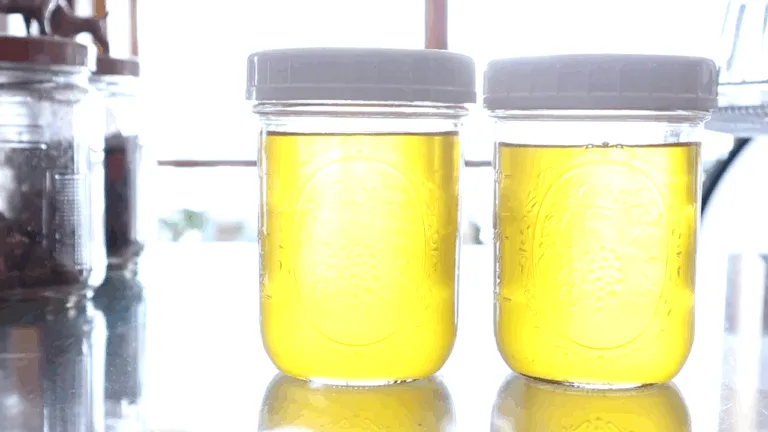
- Lanolin & Body Care: Lanolin extracted from wool can become:
- Hand salves
- Lip balms
- Lotion bars
- Wool-wash soaps
These products pair beautifully with handmade, small‑farm branding.
- Hides & Leather: Tanned sheepskins can be sold as:
- Rugs
- Baby mats
- Chair pads
- Craft leather
A way to honor the whole animal and reduce waste.
- Soil & Garden Products: Sheep support regenerative gardening through:
- Manure compost
- Mulch wool
- Wool pellets (fertilizer + water retention)
Gardeners in cold climates appreciate products that build soil and extend moisture retention.
- Agritourism & Education: Sheep naturally draw interest. Farms can offer:
- Shearing day events
- Lambing season experiences
- Felting or spinning workshops
- Farm tours
- Children’s fiber classes
These deepen community connection while adding income.
Cold‑Climate Friendly Sheep Breeds
These breeds are known for thriving in northern regions and supporting regenerative systems.
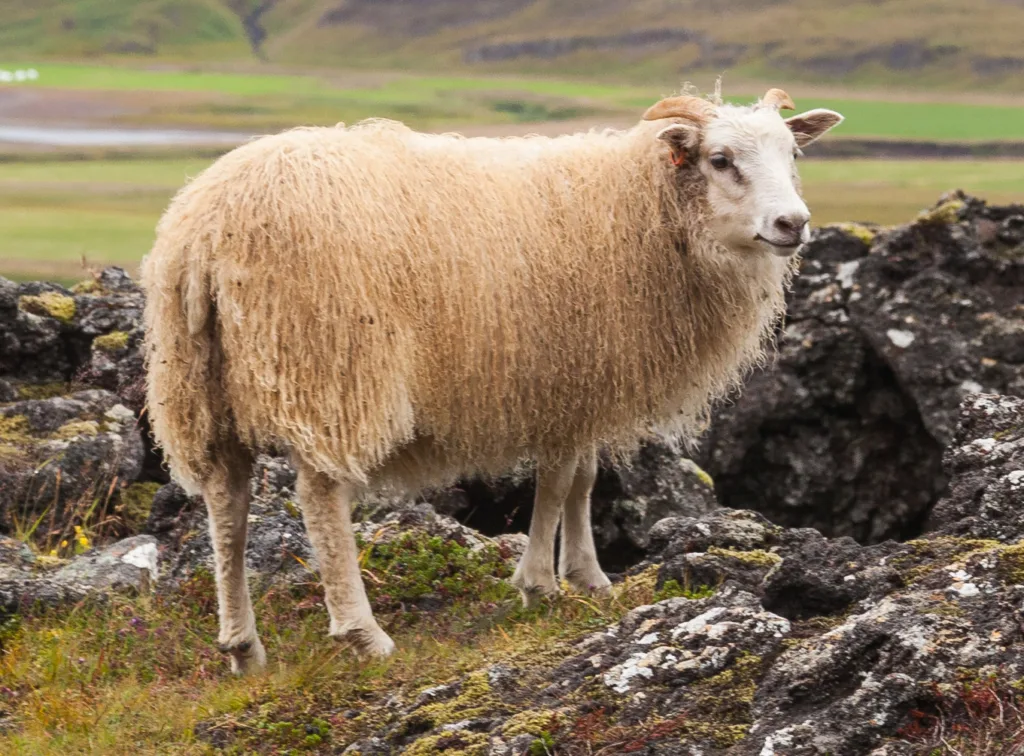
Icelandic
- Dual‑purpose: fiber + milk
- Exceptional cold tolerance
- Naturally colored fleeces
- Great for felting and handspinning
- Thrive on rough forage and rotational grazing
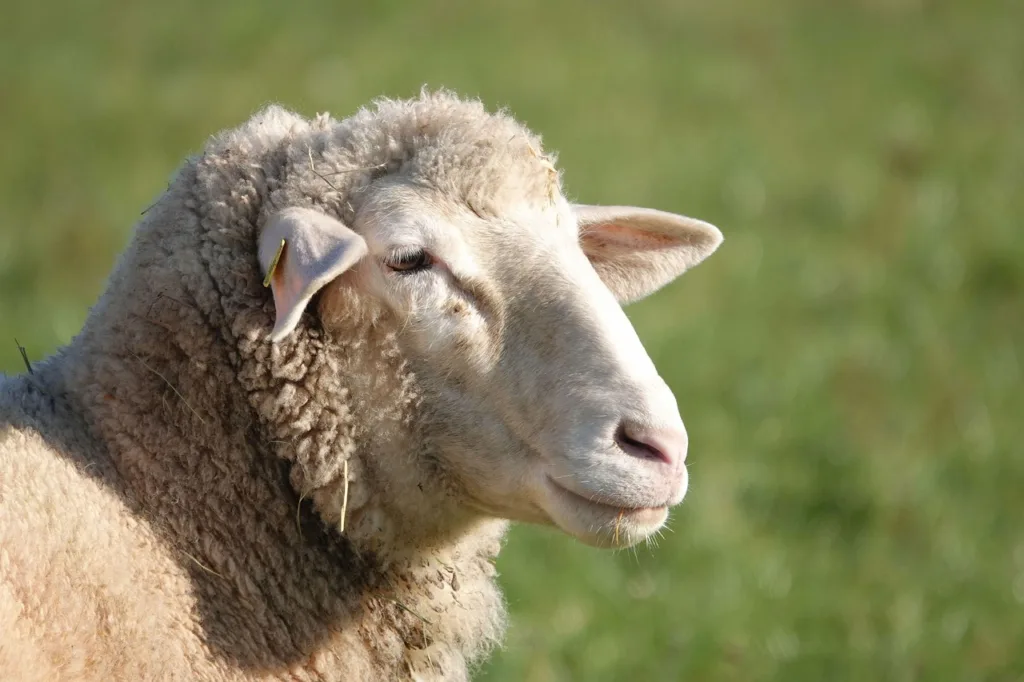
Shetland
- Small, hardy, and easy keepers
- Fine, soft wool in many natural colors
- Excellent for handspinners
- Long lifespan and strong mothering
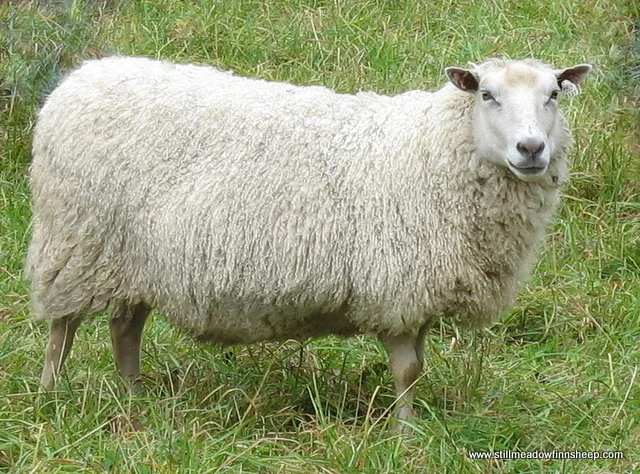
Finnsheep
- Cold‑hardy and prolific
- Soft, lustrous wool
- Useful in crossbreeding programs
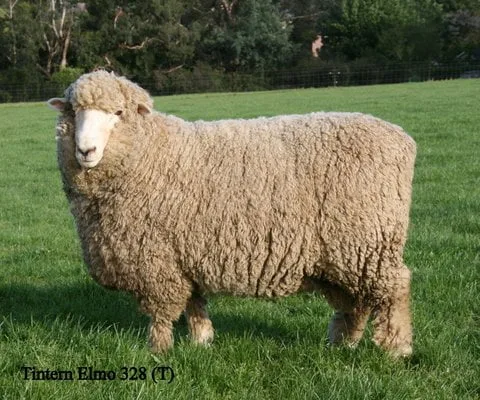
Romney
- Long-wool breed with strong, lustrous fiber
- Good feet and parasite resistance
- Adaptable to wet, cold climates
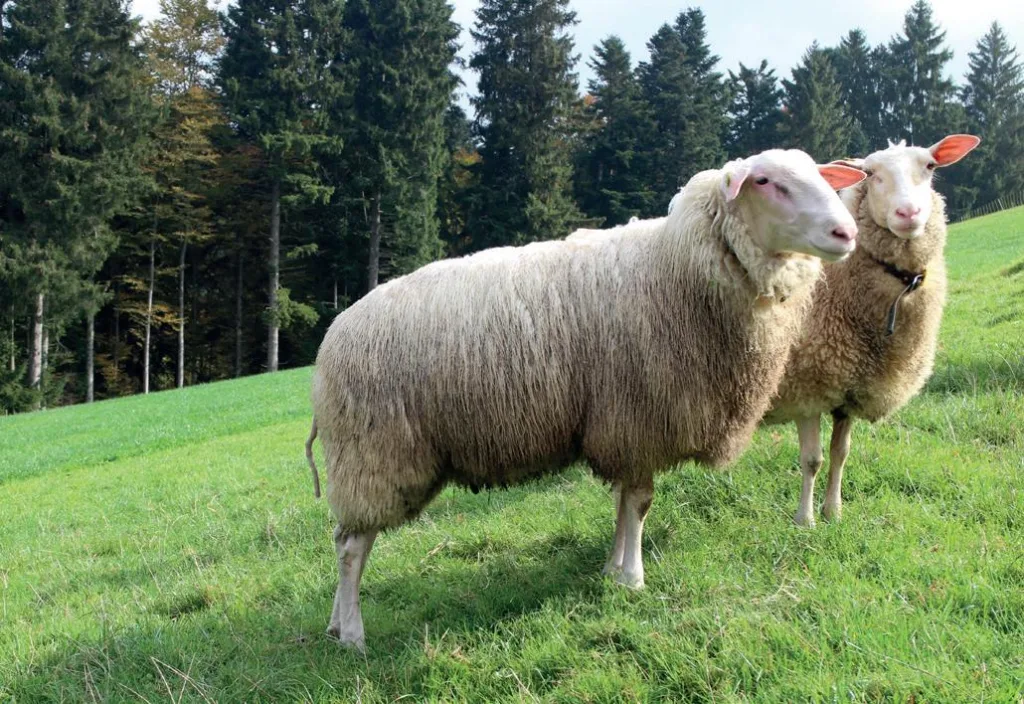
East Friesian (Dairy)
- The leading dairy breed
- Performs well in cooler climates with proper shelter
- Produces rich, high‑yield milk
A Final Word for Northern Small Farms
Sheep offer a rare combination of practicality and ecological benefit. They’re gentle on the land, adaptable to cold climates, and capable of producing a wide range of products that support both homestead living and small‑farm income. In a regenerative system, they become more than livestock; they become partners in restoring soil, stewarding pasture, and creating a closed‑loop farm that grows healthier year after year.
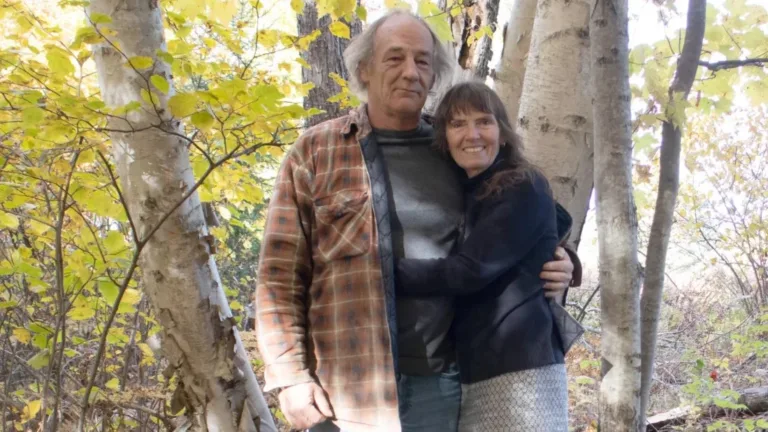
As we learn more about breeds, temperaments, and the gifts each sheep brings, we’re beginning our own adventure here at Fox Paw Farm, searching for the flock that fits our northern climate and the rhythm of our days. We’re looking for sheep that can nourish our garden with rich compost, support Don’s love of cheesemaking, and offer the beautiful tallow, milk, and wool I use in lotions, soaps, and handmade goods. It feels like the natural next step in our small‑farm story: finding animals that not only thrive in our cold zone, but also become part of the work, the creativity, and the nourishment that already root us here.
Follow along as we choose the sheep that will become part of the heart of our farm.
The Seasonal Farmer -Don & Kirsten