Coturnix Quail: The Perfect Starter Bird for Homesteads and Small Farms
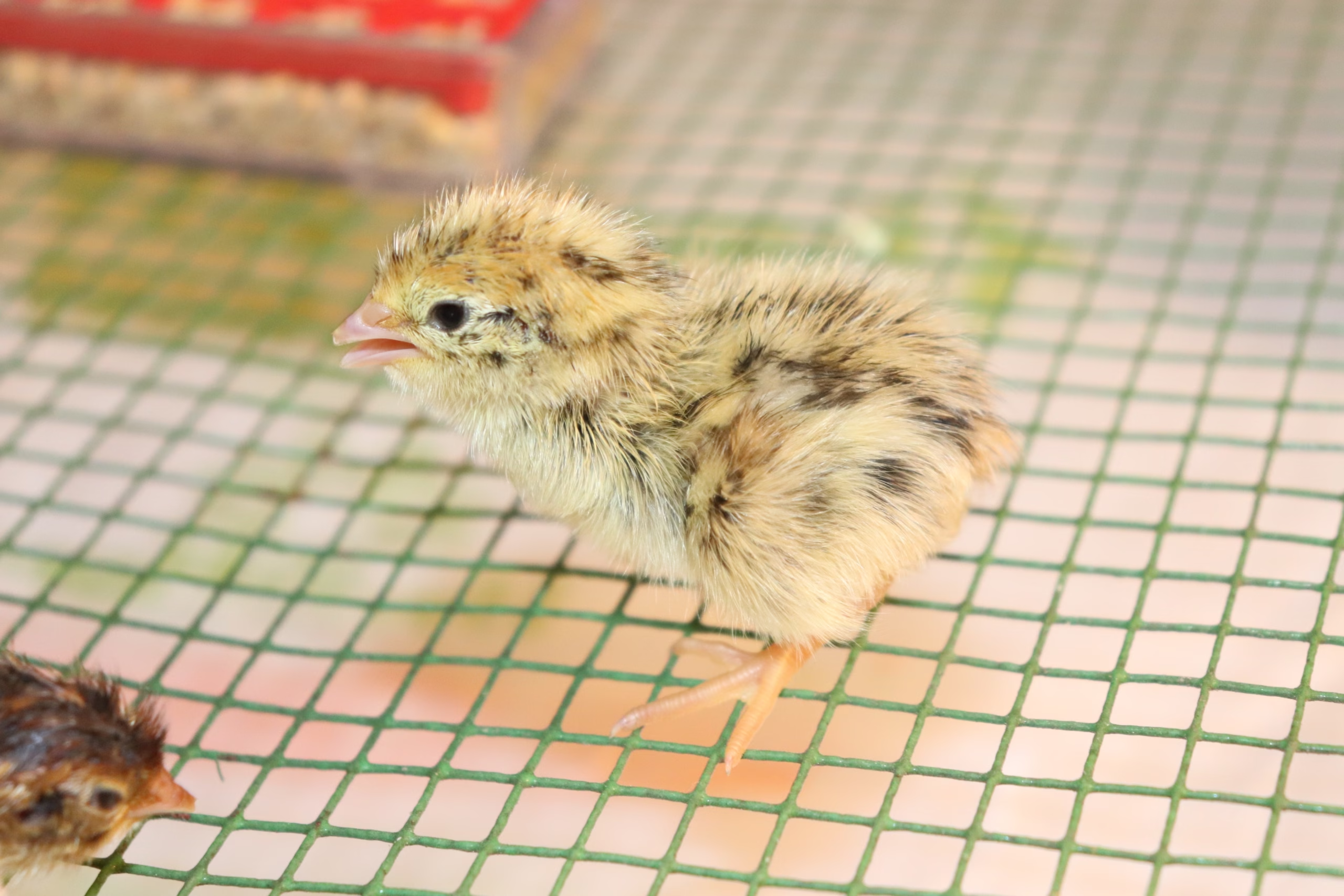
On our regenerative farm, we’ve recently added Coturnix quail to the system, and they’ve already proven to be one of the most efficient, low‑impact animals we’ve worked with. There are two simple ways to bring quail into a farm: you can start by buying fertile eggs and hatching them yourself, or you can purchase just hatched chicks and raise them up to become productive layers. We chose to begin with chicks, letting them grow out under our care while we learned their rhythms, needs, and habits. It’s been an easy, rewarding addition that fits beautifully into the closed‑loop approach we’re building here.
One of the most important values on our table is knowing our food is raised soy‑free, and adding quail to our regenerative farm lets us extend that commitment even further. Every animal here plays a role in producing clean, nutrient‑dense food, and Coturnix quail fit perfectly into that system. By raising these chicks soy‑free from the very beginning, we’re ensuring that the eggs they lay. and the next generation they produce, stay completely soy‑free as well. For us, it isn’t just about having quail; it’s about creating another closed loop of healthy, responsibly raised protein that supports our land, our animals, and our family.
Their Role on Our Regenerative Farm
On our regenerative farm, every animal has a job, and the Coturnix quail fit into that system beautifully. They may be small, but they contribute in big ways. Their manure is a powerful, fast‑acting fertilizer that breaks down quickly and feeds the soil without overwhelming it. We use it in our compost and garden beds to boost microbial life, strengthen soil structure, and support the nutrient cycles that keep our land thriving. Because quail mature so quickly and produce consistently, they give us a steady stream of soy‑free eggs and meat while also returning nutrients back into the farm ecosystem.
Their small footprint makes them incredibly efficient. They require far less space, feed, and water than chickens, yet they produce more protein per pound of feed. This efficiency means we can raise them in a way that aligns with our regenerative goals, low waste, low input, high output, and constant nutrient cycling. And because we raise them soy‑free, their manure, their eggs, and their meat all stay within the soy‑free loop we’re building here. Every generation of chicks we hatch continues that cycle, giving us clean food and clean fertilizer that supports the land instead of stressing it.
Details of Quail
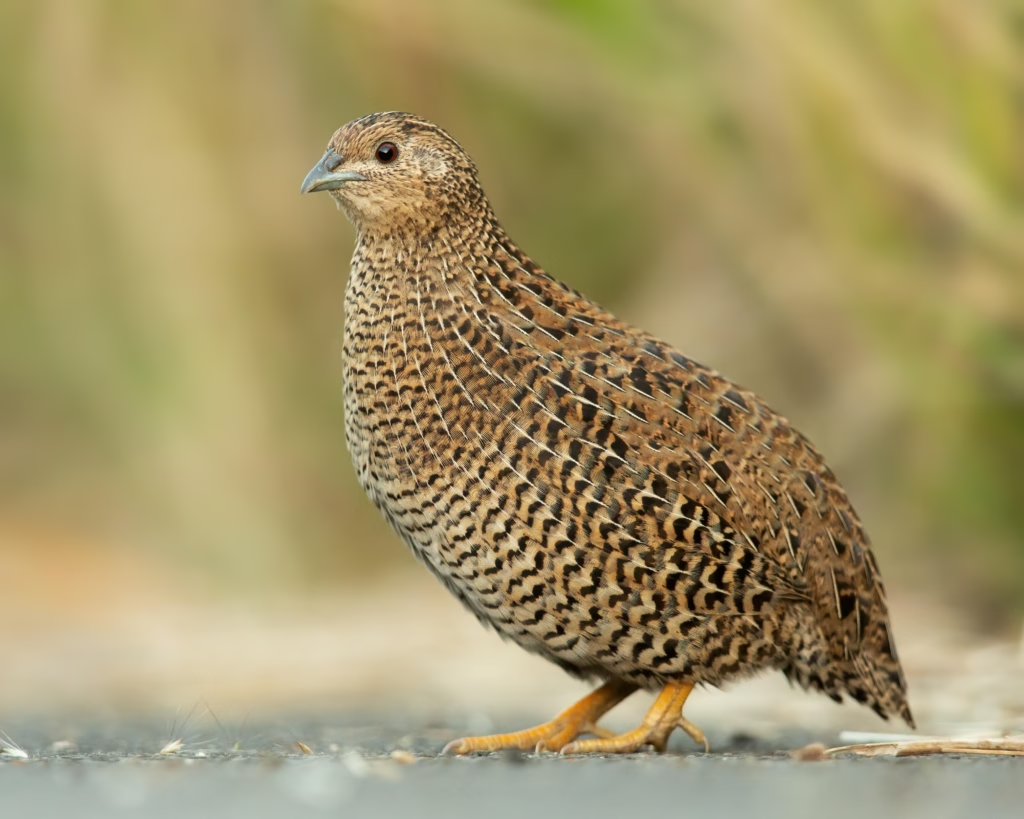
Coturnix quail (also called Japanese quail) are one of the easiest, fastest, and most rewarding birds you can raise. Whether you’re looking for a reliable source of eggs, a quick meat bird, or a low‑maintenance addition to your homestead, Coturnix deliver in a way no chicken ever could. They’re quiet, clean, fast‑growing, and incredibly efficient, making them ideal for beginners and experienced keepers alike.
Below are the core basics every new quail keeper should know.
Fast Hatch Time: 17–18 Days
One of the biggest advantages of Coturnix quail is their short incubation period.
- Incubation length: 17–18 days
- Lockdown: Day 15
- Typical hatch: Day 17
- Late hatchers: Day 18
Compared to chickens (21 days) or ducks (28 days), Coturnix hatch fast and reliably. Their fertility rates are high, and their hatch rates are excellent when temperature and humidity are kept stable.
Feeding Coturnix Quail
Coturnix quail thrive on a high‑protein diet. Their rapid growth and heavy egg production require more protein than chickens.
Starter Feed (0–6 weeks)
- Protein: 28–30%
- Crumble form is best so chicks can eat easily.
- Medicated feed is not recommended for quail.
Grower/Layer Feed (6 weeks and older)
- Protein: 20–24%
- Calcium should be moderate; too much can cause kidney issues.
- Offer crushed oyster shell separately if you want stronger eggshells.
Treats (in moderation)
- Mealworms
- Greens
- Small seeds
- Soft vegetables
Coturnix are efficient eaters — a small flock consumes far less feed than chickens while producing more eggs per pound of feed.
Rapid Maturity: 6–8 Weeks
Coturnix quail are one of the fastest‑maturing poultry species.
- Begin laying eggs: 6–8 weeks old
- Reach butcher weight: 6–8 weeks old
- Full adult size: Around 8 weeks
This means you can hatch, grow, and harvest a full cycle of quail in under two months. Their speed makes them ideal for meat production, selective breeding, and maintaining a steady supply of eggs.
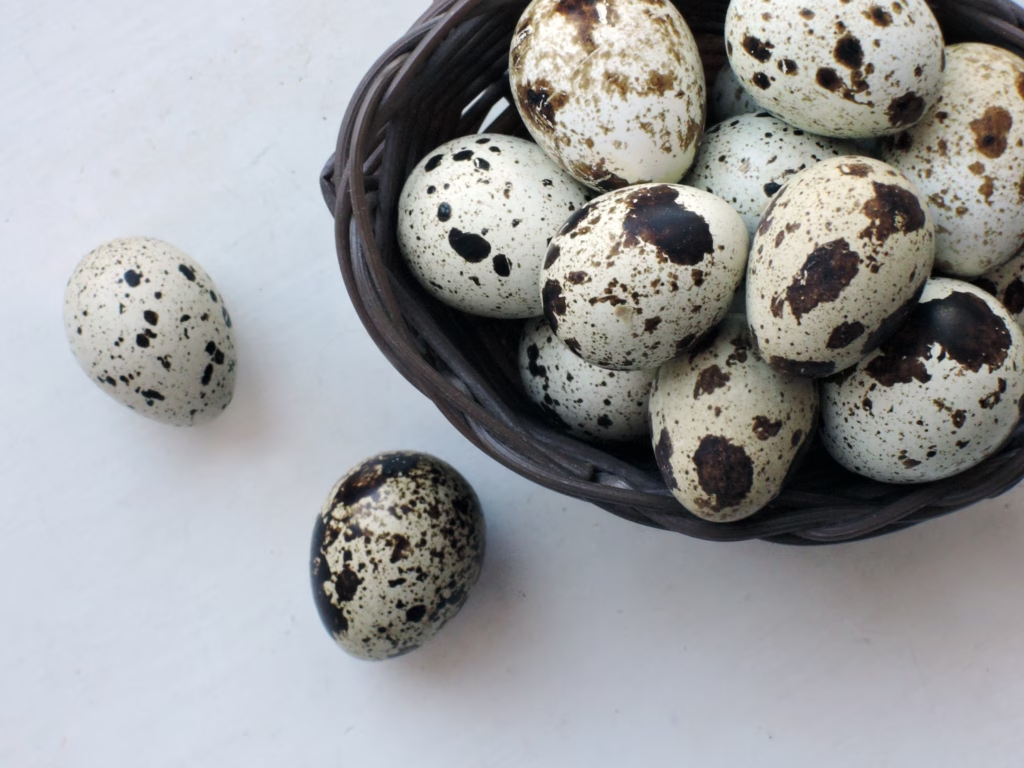
Egg Production
Coturnix hens are incredibly productive.
- Eggs per year: 250–300
- Start laying: 6–8 weeks
- Egg size: About 1/3 of a chicken egg
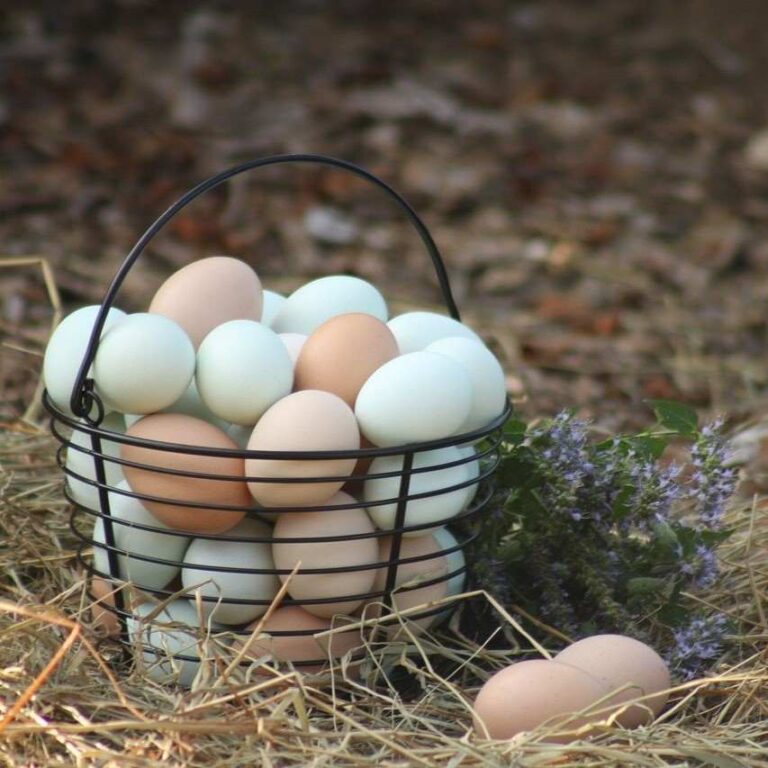
- Color: Speckled, brown, or solid; depending on variety
They lay consistently and don’t require special lighting or nesting boxes. A simple tray or cage floor works fine.
Ease of Butchering
Coturnix quail are one of the easiest birds to process.
Why butchering is simple:
- No plucking required, skinning is fast and clean.
- Their small size means processing takes under 2 minutes per bird.
- No complicated bone structure or heavy feathers.
- Minimal mess and minimal equipment needed.
Most homesteaders can process an entire batch in an afternoon with nothing more than scissors, a cutting board, and a clean table.
Housing & Space Requirements
Coturnix quail don’t need much room.
- Minimum space: 1 square foot per bird
- Ideal housing: Cages, hutches, aviaries, or small pens
- Temperature tolerance: Very hardy, but drafts should be avoided
- Noise level: Extremely quiet, roosters make a soft trill instead of crowing
They’re perfect for suburban homesteads, small barns, or indoor/outdoor setups.
Why Coturnix Quail Are Perfect for Beginners
- Fast hatch time
- Rapid maturity
- High egg production
- Easy butchering
- Low feed consumption
- Quiet and clean
- Simple housing
- Reliable breeders
- Excellent for small spaces
- 10 weeks from day one of incubating to butcher.
Coturnix quail give you fast results, low maintenance, and a steady supply of meat and eggs, all without the noise, space, or feed demands of chickens.

Another unexpected benefit of raising Coturnix quail is how well they fit into urban and suburban settings. When many communities moved to ban backyard chickens, they overlooked quail entirely, and because quail are classified differently, they’re generally allowed in most city ordinances. They’re quiet, they don’t crow, they don’t attract attention, and they take up very little space, making them an ideal option for people who want home‑raised protein but can’t keep traditional poultry. For anyone living in town and dreaming of a small, regenerative food system of their own, quail are often the perfect (and legal) place to start.
Food Sovereignty Matters
Food sovereignty matters because it puts the power of nourishment back into the hands of the people who grow, cook, and share food. When we raise even a portion of our own food, whether it’s quail, vegetables, herbs, or eggs, we’re choosing independence over dependency, resilience over fragility, and connection over convenience. It means knowing where our food comes from, how it was raised, and what went into it. It means creating systems that honor the land, support our health, and strengthen our communities. Food sovereignty isn’t just about producing food; it’s about reclaiming the right to feed ourselves well, seasonally, and sustainably.
As we continue shaping our regenerative farm, the Coturnix quail have shown us just how much impact a small, efficient bird can have on a closed‑loop system. They give back to the soil, they fit seamlessly into soy‑free production, and they provide a steady supply of clean, nutrient‑dense food with very little input. Their speed, their quiet nature, and their incredible efficiency make them one of the easiest additions for anyone looking to strengthen their own homestead or farm. If you’re building a system that values healthy soil, responsible protein, and animals that pull their weight without demanding much in return, Coturnix quail are a perfect place to start. Adding them wasn’t just a win for our farm, it’s a step we’d encourage any regenerative grower to take.
If you’re excited about building a more intentional, regenerative way of living, we’d love to have you join our community. We share practical, real‑life ideas for seasonal living, soil health, small‑scale livestock, soy‑free food production, and the everyday rhythms that make a homestead feel whole. Whether you’re just starting out or deep into your own regenerative journey, there’s always something new to learn, try, and grow. Come be part of a space where we lift each other up, share what works, and build a more resilient life together.
The Seasonal Farmer, Don & Kirsten
-
Farmhouse | Home | Pantry Foods | Recipes
Late‑Summer Forage: Vinegars That Taste Like Home
As a farm‑to‑table chef and forager, I spend many days walking the fields and edges of the property, tasting the season as it changes. Making flavored vinegars is one of my favorite ways to bottle those late‑summer and fall flavors; a small jar of vinegar becomes a concentrated memory of sun, soil, and time. I…
-
Beekeeping | Farmhouse | Home | Home & Garden | Pantry Foods | Recipes
From Bloom to Bite: Why Bees Matter
Raw, Local, Unfiltered, Honey
-
Farmhouse | Field | Home | Home & Garden | Pantry Foods | Recipes
Your Guide to 10 Edible Flowers: A Blooming Culinary Delight
Edible flowers bring color, fragrance, and a quiet sense of celebration to both savory and sweet dishes. They’re one of those small, thoughtful touches that make everyday food feel intentional, whether it’s a handful of petals scattered over a salad, a blossom tucked into fresh cheese, or a simple syrup infused with garden flavor. These…